Browsed by
Category: Iditarod

My Reading List

My Reading List

As with all my other trips, I have done extensive reading in preparation for my trip to Alaska. As the departure date approached, and the pile of books grew, I can reflect how the whole body of reading has developed my knowledge and understanding of what Alaska is about – its history, it’s people, its wonders and its challenges. So, I have decided to share my list, including a brief overview, plus my favourite quotes from some of the books….
Read More Read More

Trees of Alaska

Trees of Alaska

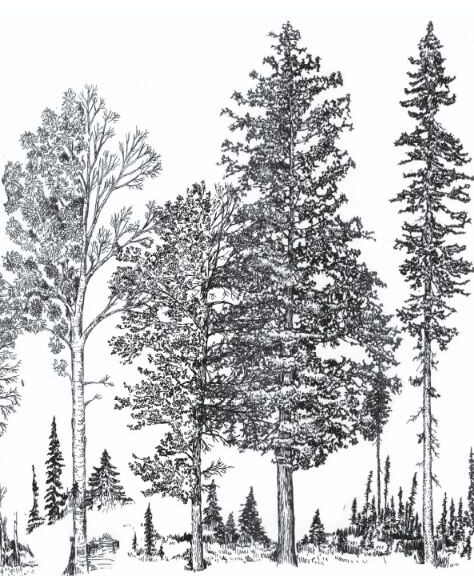
I’m nearing the end of the research for my trip – and just as well as I leave in just a few days! So, it was great that another trip buddy ventured up some information on the trees we might encounter in Alaska. (Thanks, John!) This is not an area which would have normally beckoned me to write about. But as I started reading, I became intrigued about some of the snippets of information I was coming across. I still…

Read More Read More

Caribou

Caribou

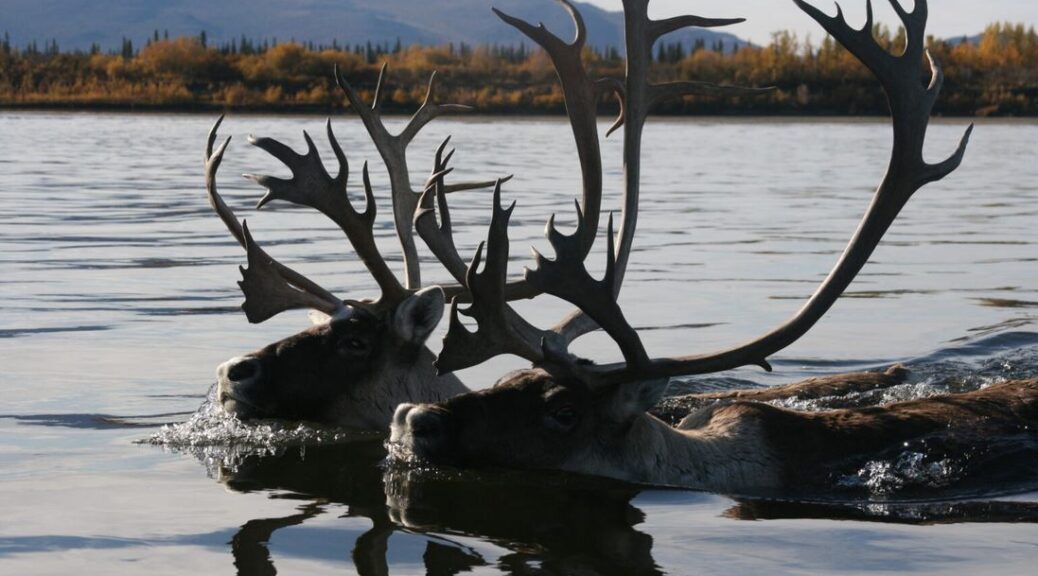
I realised that there was one more large animal of Alaska which I needed to include! Caribou are a medium-sized member of the deer family and stand about 3.5 feet tall at the shoulder. Females (cows) can weigh up to 300 pounds, while large males (bulls) are about twice that size. Most caribou are medium-brown or grey, but coloration varies widely from nearly black to almost white. Their winter coat is somewhat lighter than their summer coat. Caribou are the…

Read More Read More

Musk oxen

Musk oxen

Welcome to the second post of Big Beasts of Alaska! Thank you, Claire, for your research! Characteristics and living habits I was wanting to start this post by describing musk oxen as large, stocky shaggy-haired animals. But then I read that bulls grow to an average of 5 ft tall, and cows to an average of only 4 ft tall. So, they are not the huge animals which the photos imply after all. (Even though they weigh anywhere from 220…

Read More Read More

Native mythology and the role of shamans

Native mythology and the role of shamans

When I started preparing for this post I developed a plan on how I thought it might flow. Then I read this article written by Mike Gaffney and Ray Barnhardt at the Alaska Native Knowledge Network, University of Alaska-Fairbanks, and my plan went out the window. It was not so much that I had been going down the wrong track. It was more that I realised that there was a much more interesting way to approach the topic. In their…

Read More Read More

Moose!

Moose!

Welcome to the first post in my Big Beasts of Alaska series. An expedition buddy, who is extremely knowledgeable about flora and fauna, and who is also on this Iditarod trip, kindly offered to contribute to my website, by researching and writing about some of the animals we are likely to encounter on our trip. (Thanks, Claire!) Claire is starting with moose, which is the state land mammal of Alaska. Moose derives from the Algonquin Indian word moz, meaning ‘Twig-eater’…

Read More Read More

Native Alaskan History and Cultures

Native Alaskan History and Cultures

Archaeologists believe that humans crossed from Siberia to America via the Bering Land Bridge at various times between 40,000 and 13,000 years ago. These groups lived a subsistence lifestyle by hunting and trapping the Ice Age animals which populated the area; woolly mammoths, musk oxen, giant bison, saber-tooth cats. Later groups included the ancestors of two prominent current day cultures- the Athabascan Indians and the Eskimos – who waged wars against each other for generations before European contact. These conflicts…

Read More Read More

“The Cruelest Miles”

“The Cruelest Miles”

In 1925 an outbreak of Diptheria in Nome threatened the lives of the residents while at the same time gripping the nation with the ensuing race against time to get antitoxin to the town. To find out more about this extraordinary story, including the misconceptions about the roles of the sled dogs, Balto and Togo, I read the book. “The Cruelest Miles” by Gay Salisbury and Laney Salisbury. Some believe that the Iditarod Dog Sled Race is a reconstruction of…

Read More Read More

Arctic dogs, husky dogs and sled dogs – what’s the difference?

Arctic dogs, husky dogs and sled dogs – what’s the difference?

I’m going to start with a short answer to this question…. … In a nutshell, Arctic dogs are dogs which have been bred over centuries to withstand the cold and harsh conditions in the Arctic regions. There are many types of Arctic dogs, and some of these have the word ‘husky’ in their name. More specifically, some of the Arctic dog breeds are particularly suited to being trained to pull sleds, and these dogs (surprise surprise) are called sled dogs….

Read More Read More

The Origin of Dog Sledding

The Origin of Dog Sledding

I never knew that sled dogs have been around for nearly 10,000 years! In 2017, on Zhokhov Island in the Eastern Siberian Sea, archaeologists discovered the remains of a domesticated dog which had DNA links to today’s sled dogs. The common ancestry between modern sled dogs and this 9,500 year old Zhokhov dog provides evidence that humans have been breeding dogs since that time. Moreover, the fact that sled artefacts were also present at the same site points to earliest…

Read More Read More