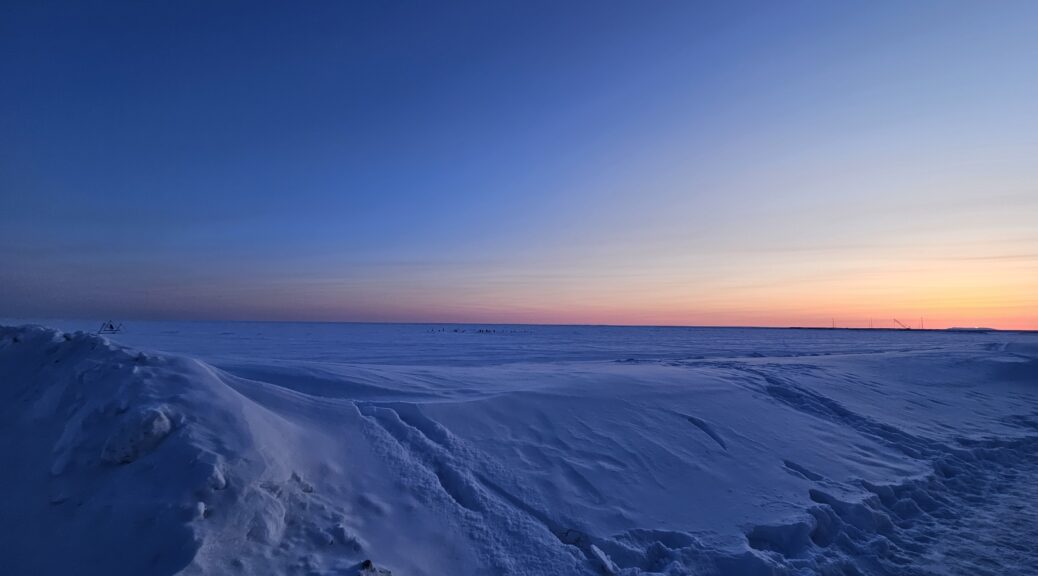
Photo Story # 5 – Remote Magic
What is it about travelling to remote places which beckons me?
It’s hard to believe that it’s been over eight years since I voyaged to the Ross Sea in the Antarctic.
But that actually wasn’t the start of my holidays to out-of-the-way places. As a family we had been venturing out for many years. Mostly into outback Australia. And it’s when I think back to those trips that I realise what draws me to remote places.
It’s not the peace, although that’s rejuvenating.
It’s not the lack of crowds, although that’s refreshing.
It’s not even the scenery, although that’s usually jaw dropping.
It’s all those things and more.
It’s the ability to disconnect from the distractions and clutter of the present, and just experience the reality of the moment. It’s the prospect of opening one’s perception to the conversations in nature.
I’m often drawn back to Barry Lopez and his book ‘Arctic Dreams’, when he wrote about our encounters with the land, beseeching us to treat our land with respect, allowing it to retain its identity, and encouraging us to try and experience its wisdom: “be alert for its openings, for that moment when something sacred reveals itself within the mundane, and you know the land knows you are there. “
That’s what I love about remote places.
So…..back to Alaska….
Despite the remoteness of some of the places, there weren’t many opportunities to experience the type of emotional remoteness described above. Nevertheless, some of the places made their impression on me….
Flights across the Alaskan Wilderness
I will remember the small plane flights out to the Iditarod checkpoints as epitomising just how vast the Alaskan wilderness can be. Looking out the window and seeing the vast landscape below was humbling.
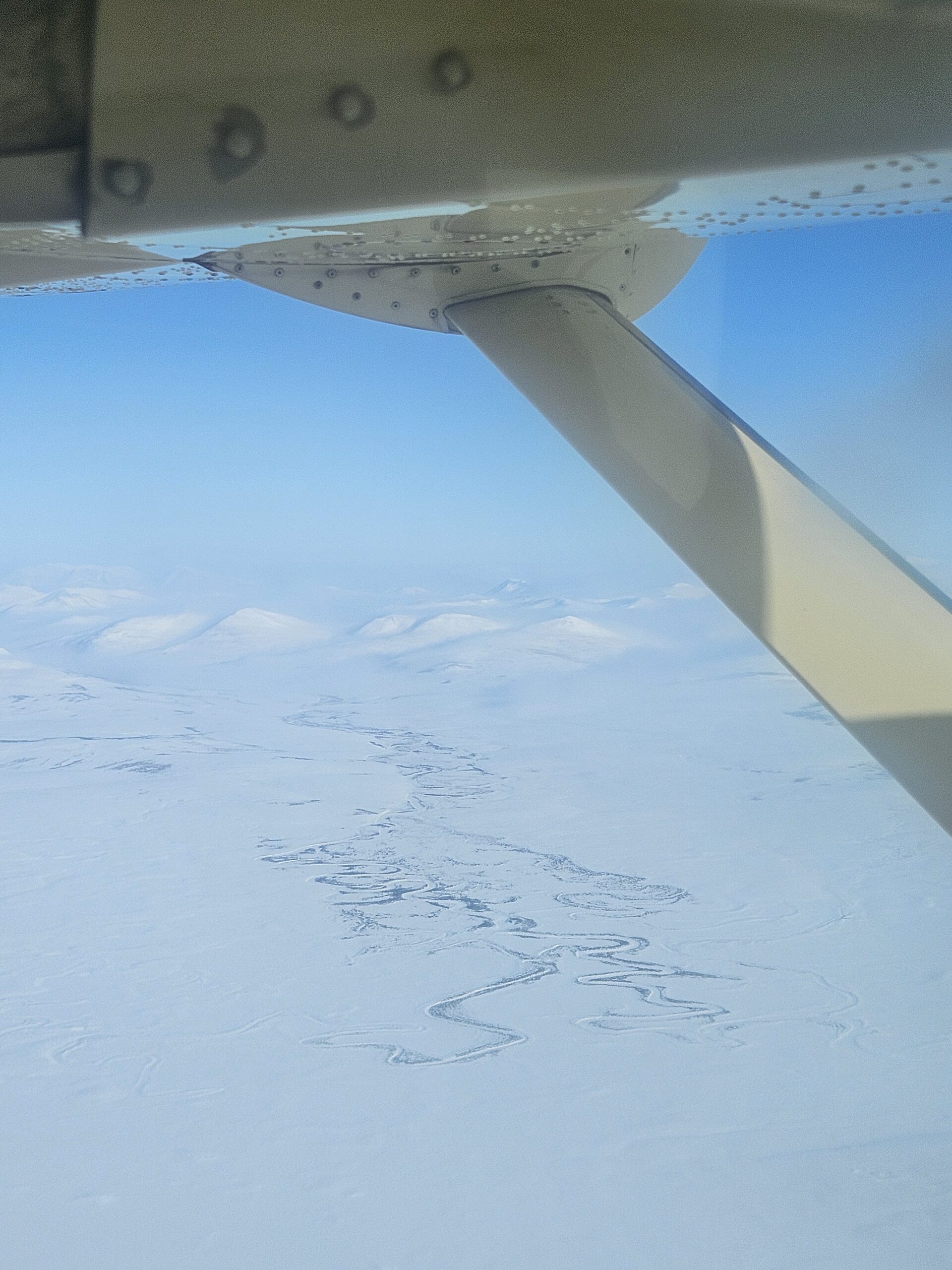
I will remember the small plane flights out to the Iditarod checkpoints as epitomising just how vast the Alaskan wilderness can be.
Looking out the window and seeing the vast landscape below was humbling.
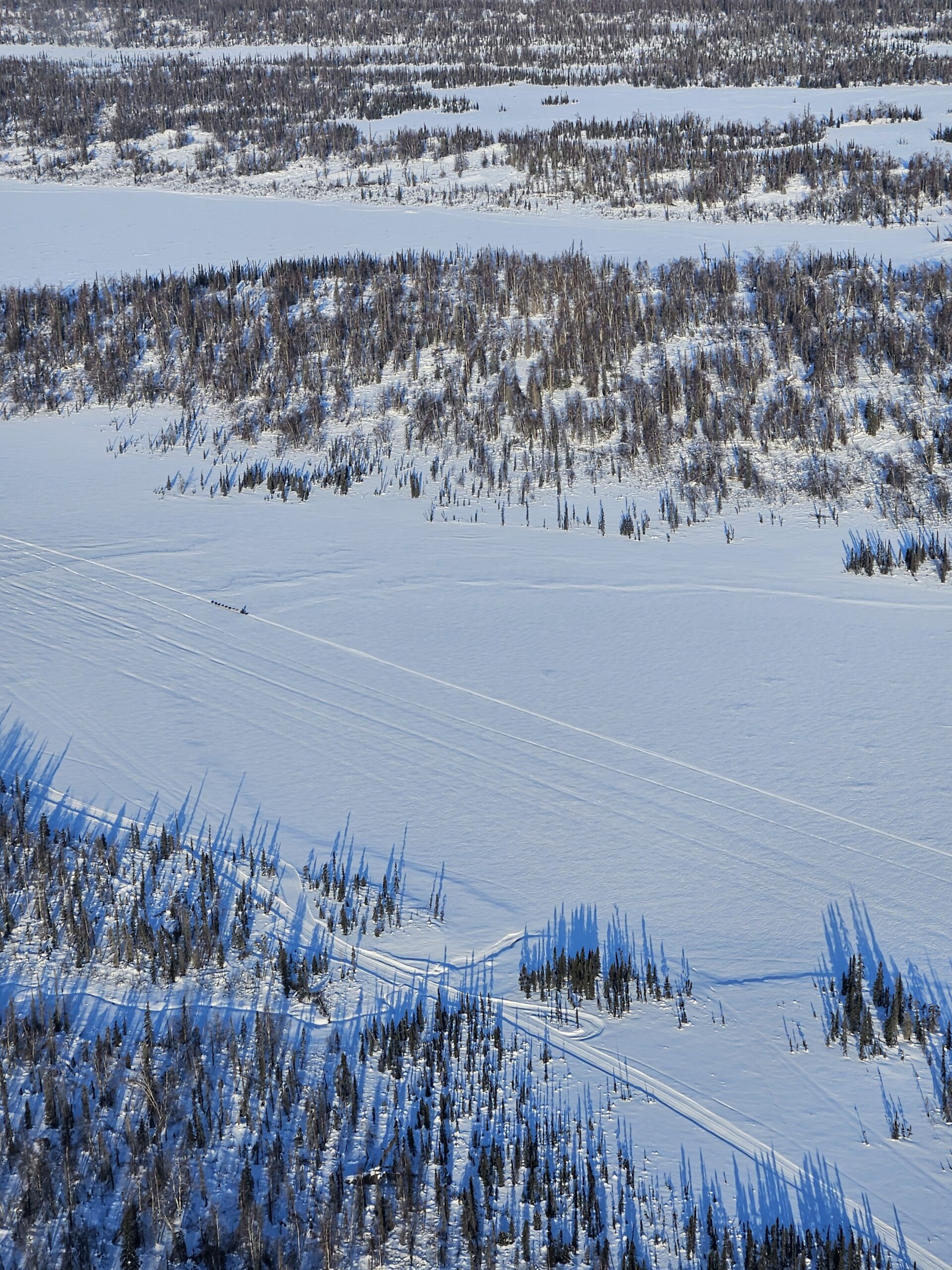
And then I would see, way down below, a lonely musher with his/her dog team.
I heard often that this is what draws them to the Iditarod each year – the prospect of being alone, with their dogs, in the wilderness.
A walk through the Boreal Forest
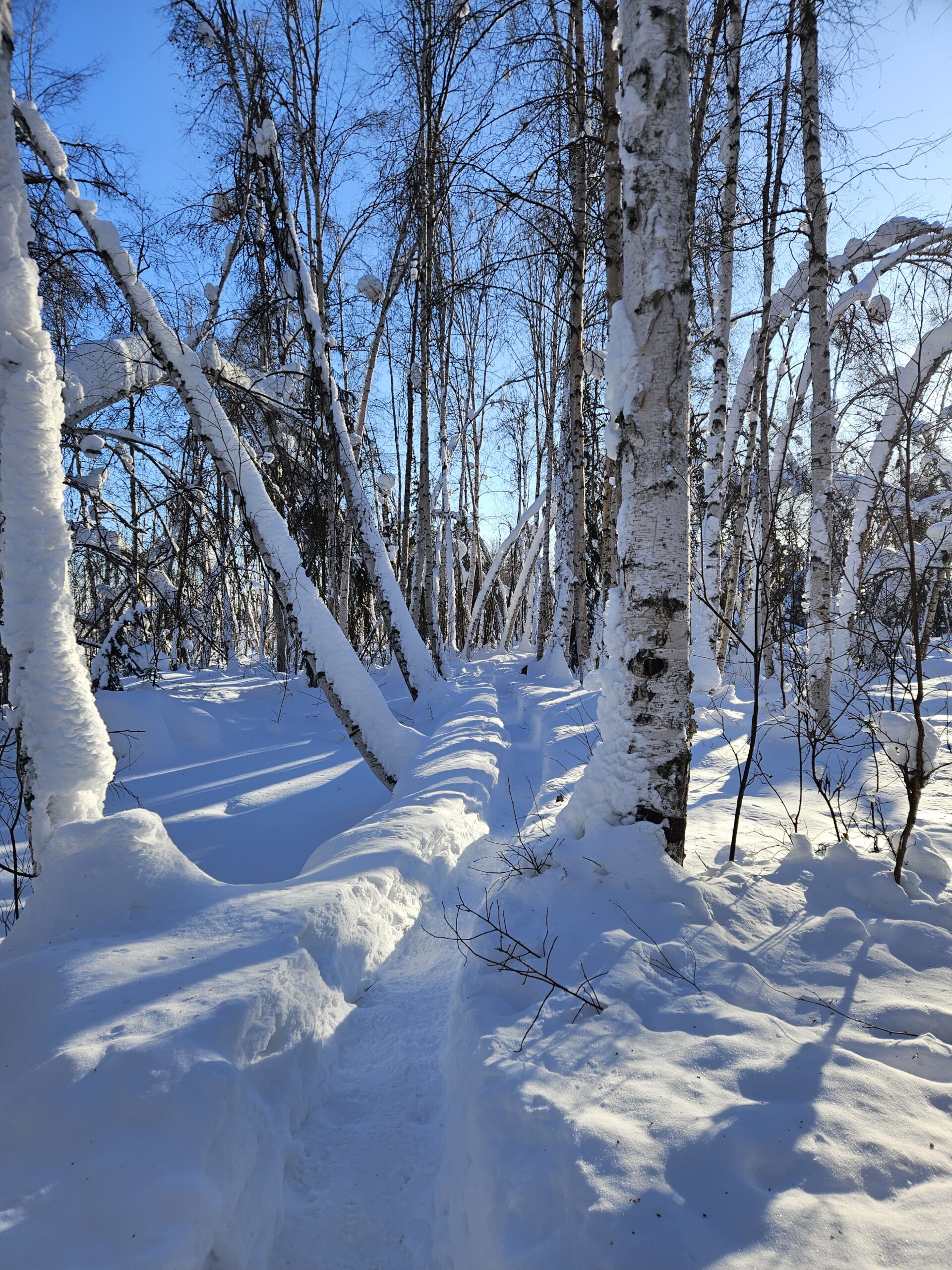
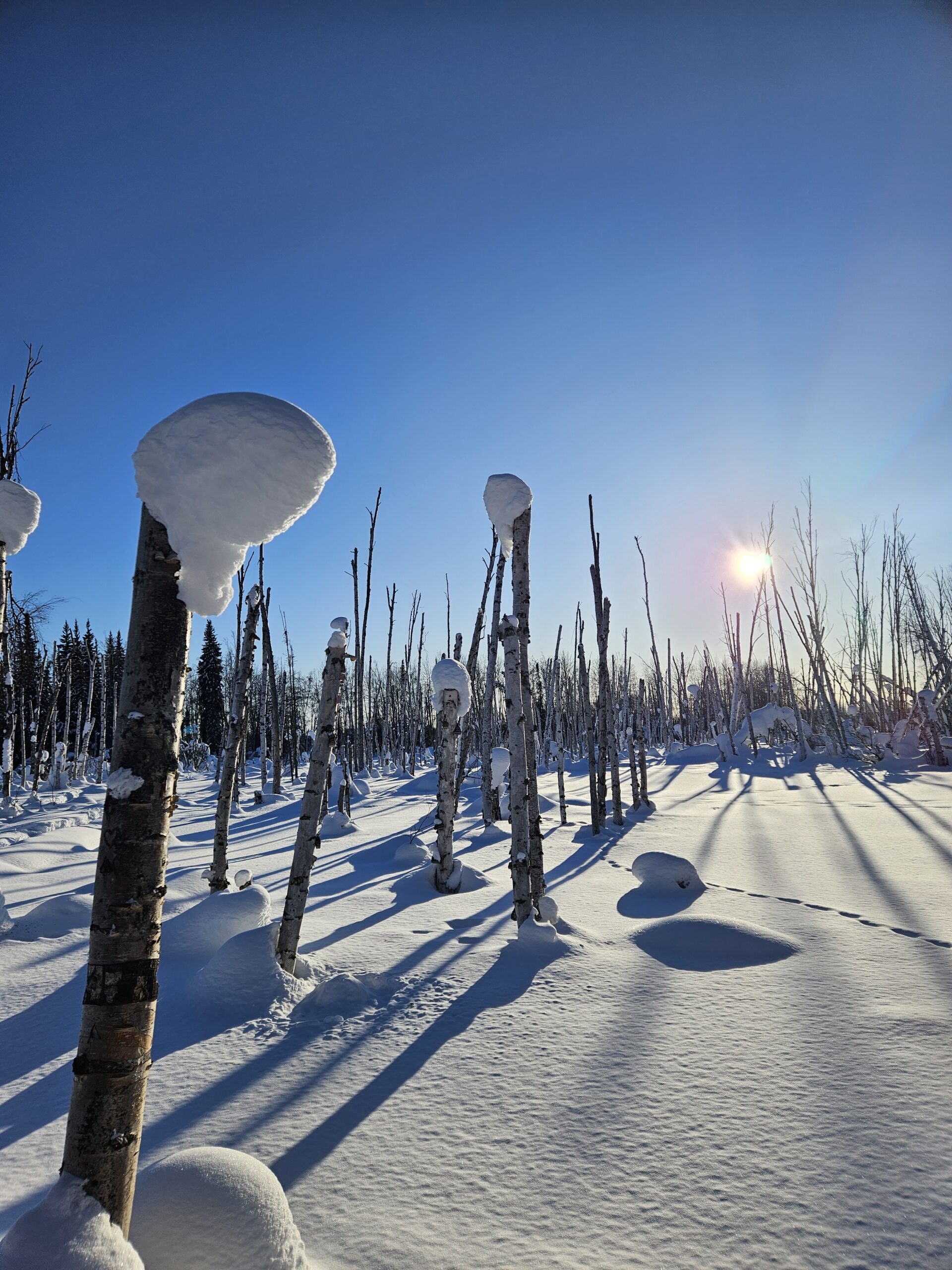
Before I describe what I saw, I need to explain what the Boreal Forest is. The Boreal Forest is the world’s largest land biome. (A biome is a biological community, characterised by its climate, vegetation and animal life.) The Boreal Forest, sometimes called Taiga, circles the North Pole, and accounts for around 27% of the world’s forest areas. The United States, Canada and Russia contain the greatest proportion of the Boreal Forest.
We visited Creamer’s Field, an area just outside of Fairbanks, where the Alaskan Boreal Forest is easily accessible.
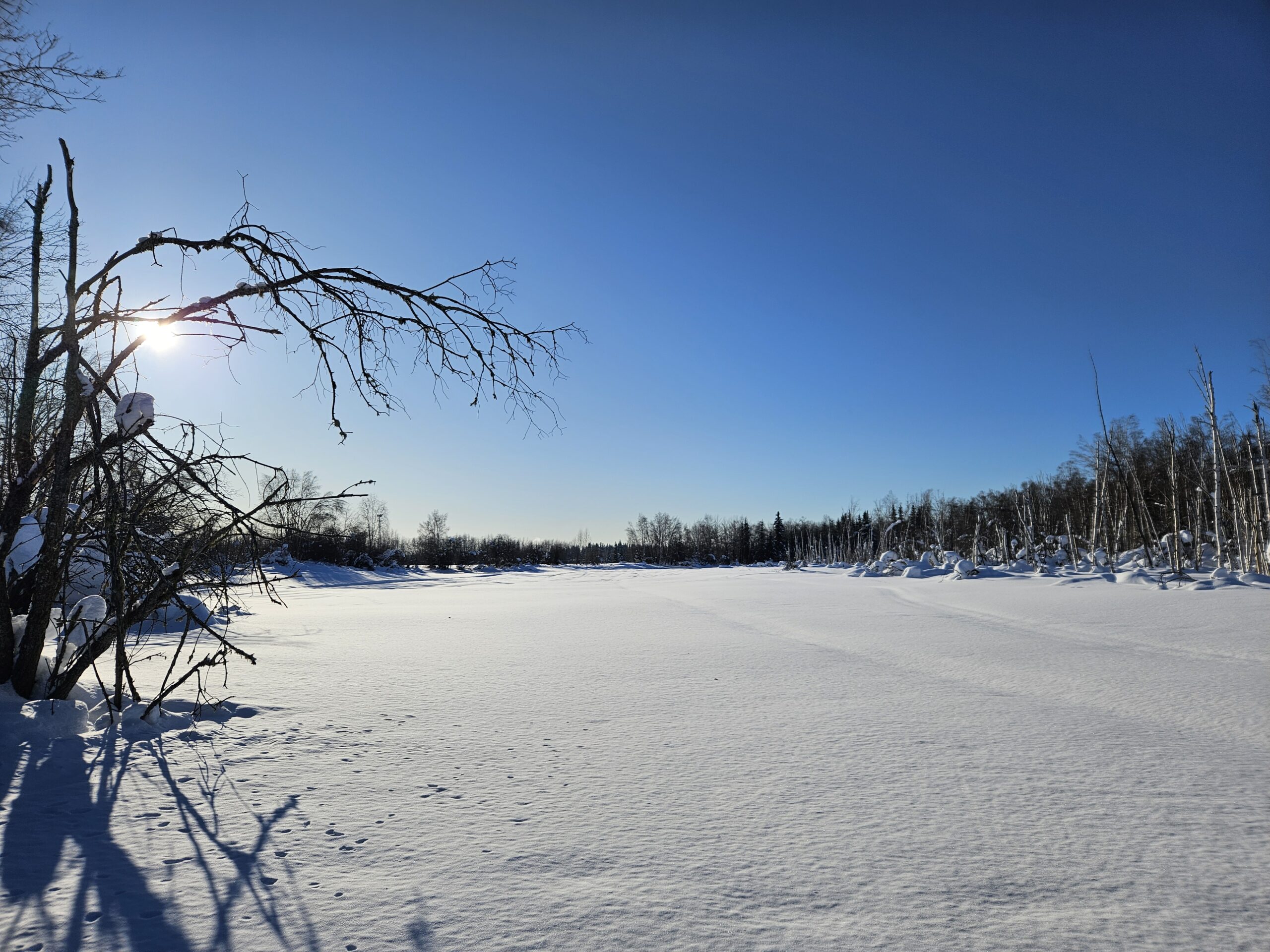
It didn’t take long for us to be surrounded by the extraordinary forest.
Pondering a frozen sea
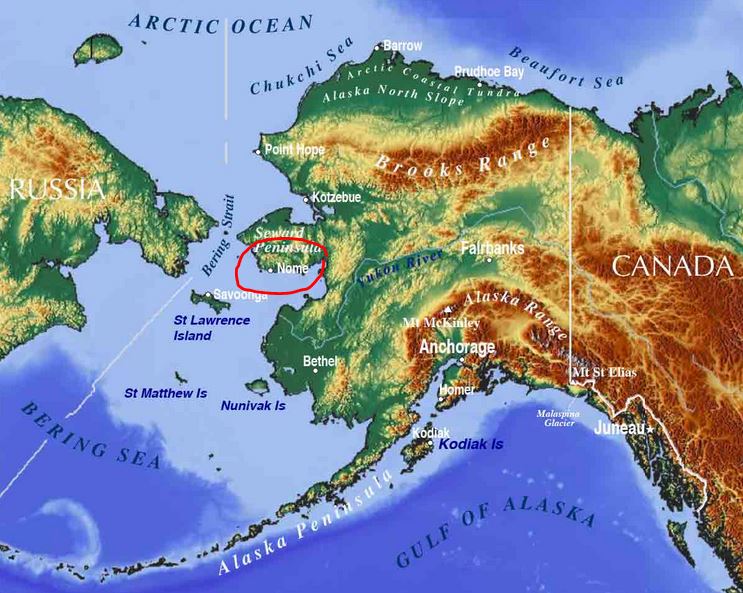
Nome is situated on the Norton Sound, an inlet of the Bering Sea, which in turn separates Alaska from Russia. In winter, while the Bering Sea does not freeze over completely, the Norton Sound off the coast of Nome is covered with sea ice, and freezes solid enough for the Iditarod activities to take place on it.
When standing on the edge of the frozen Bering Sea, I found it hard to imagine it any other way. It looked like a land mass covered in snow.
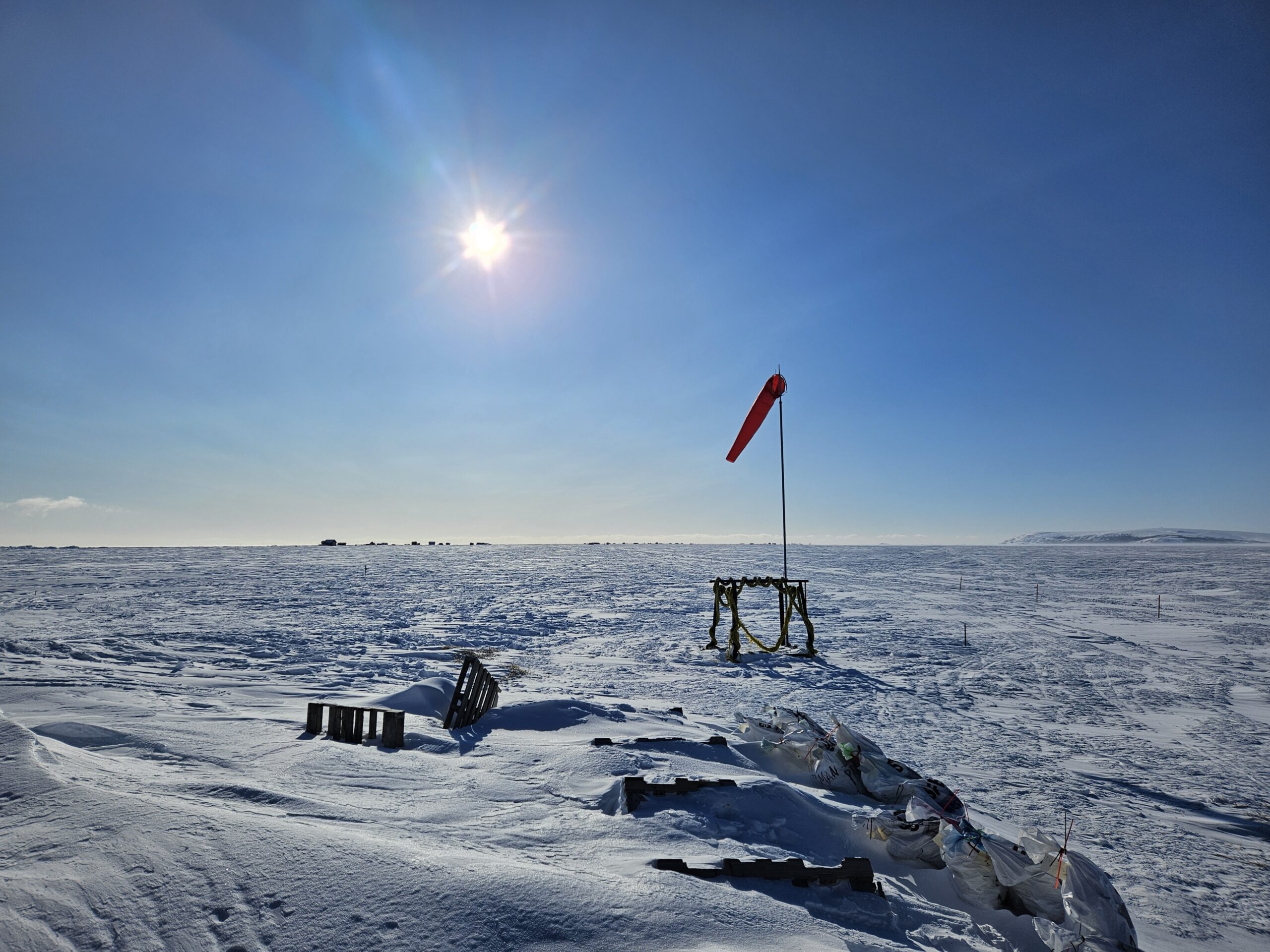
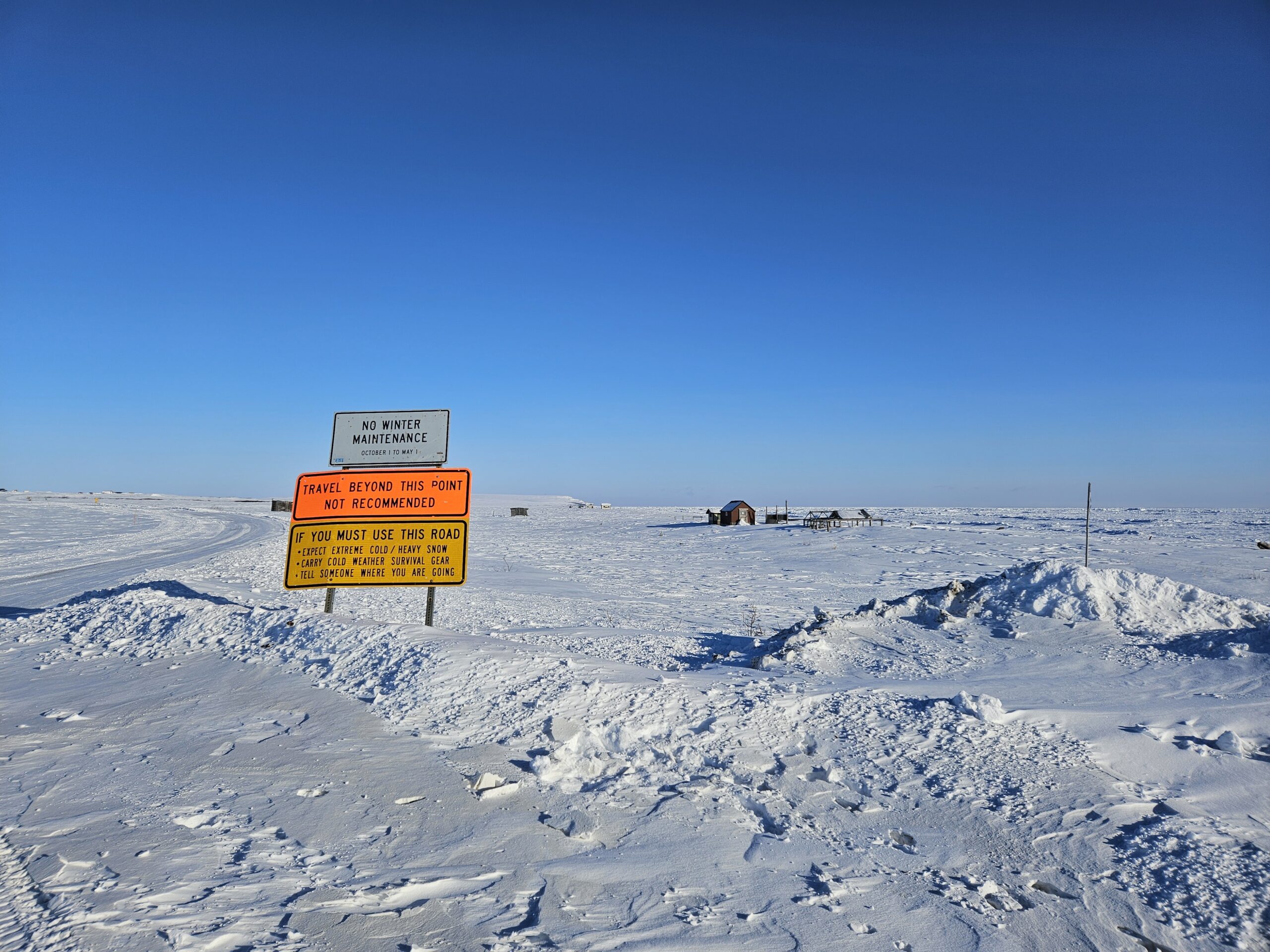
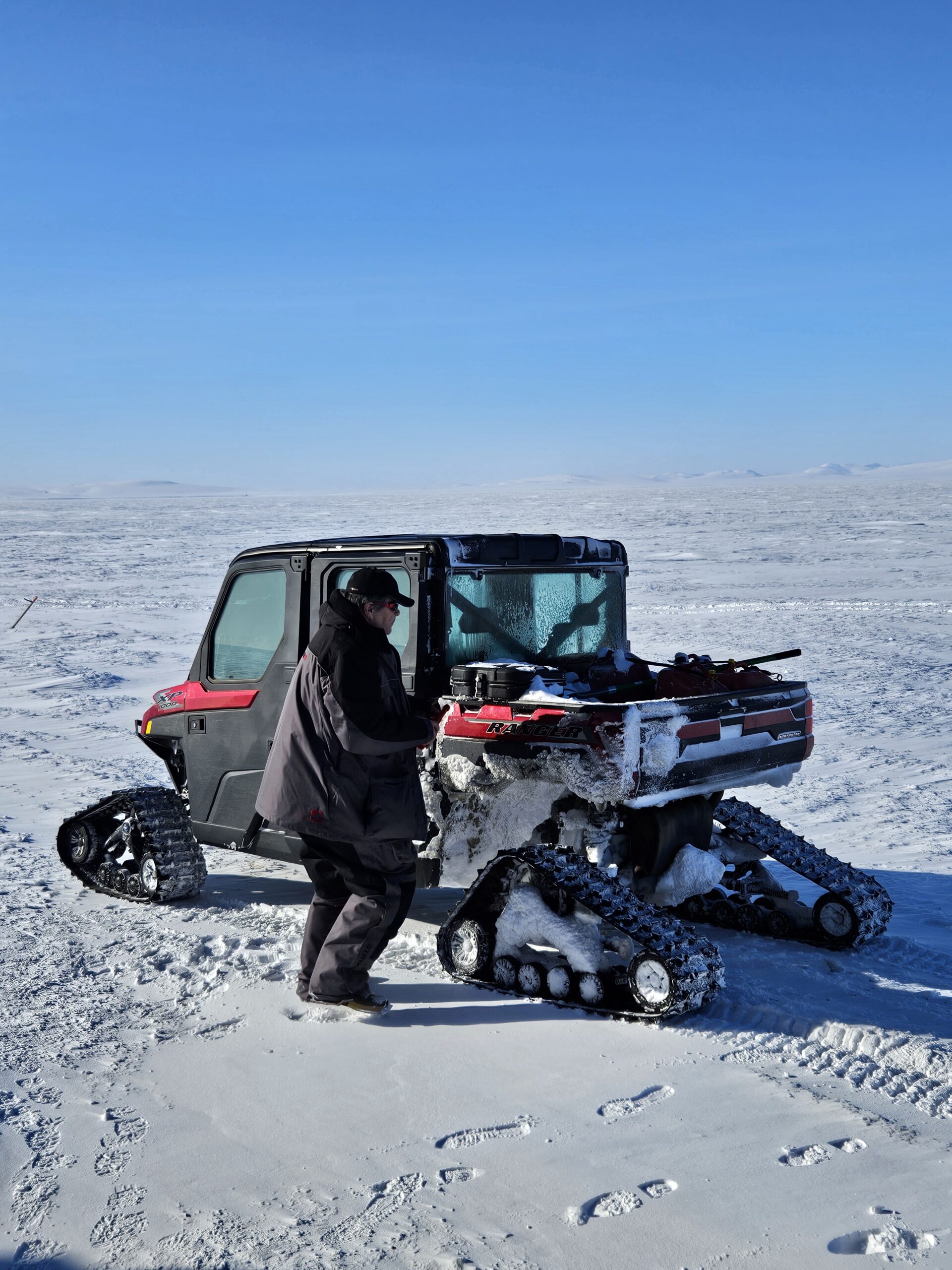
One day I visited Safety Checkpoint, the last Iditarod checkpoint before the mushers finish in Nome. Originally we were supposed to drive our own snow machines out to the checkpoint, but the road conditions were considered too dangerous. So, we bundled up in a buggy instead.
Searching for Northern Lights
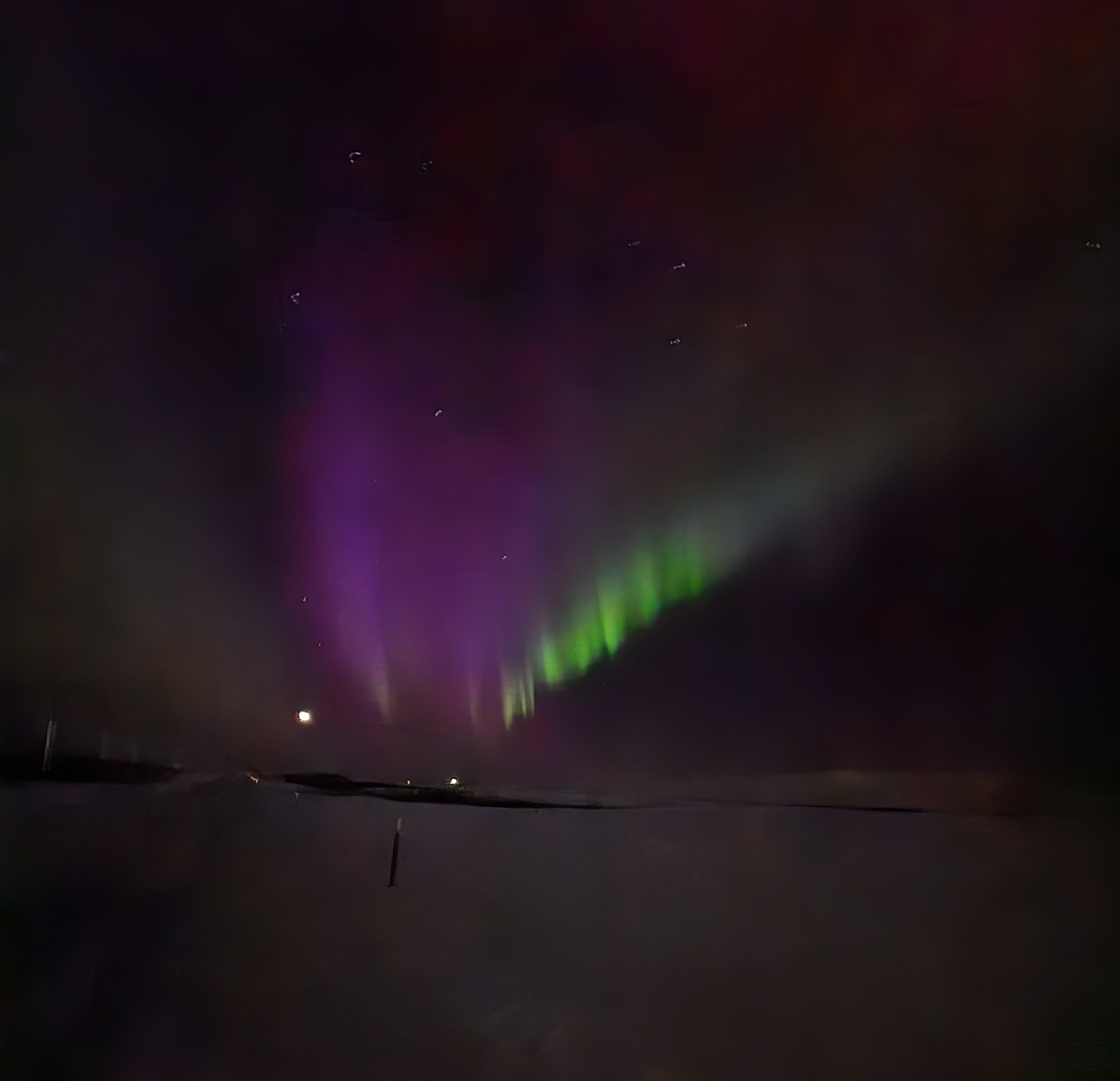
Despite the fact that every time I saw the Northern lights on this trip I was not in a remote location, there is something about them which inspires a feeling of isolation. In this case, however, it is lights which are distant, not me.
And I can honestly say that they are magical!
Sources:
-
United Nations Economic Commission for Europe (UNECE) Boreal Forests
-
Wikipedia