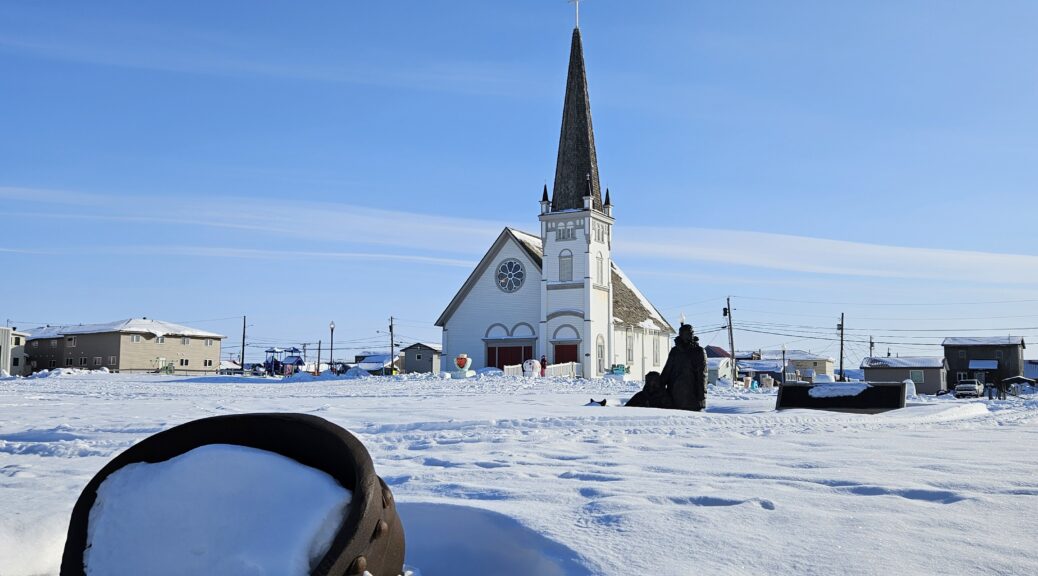
Photo Story # 3 – There’s No Place Like Nome
Yes, the title of this post is a bit cheesy. However, I came across this catch phrase when I was there, and when I was trying to decide on a title which captured the uniqueness of Nome, I kept on returning to it.
My stay in Nome will always be one of the high points of the trip.
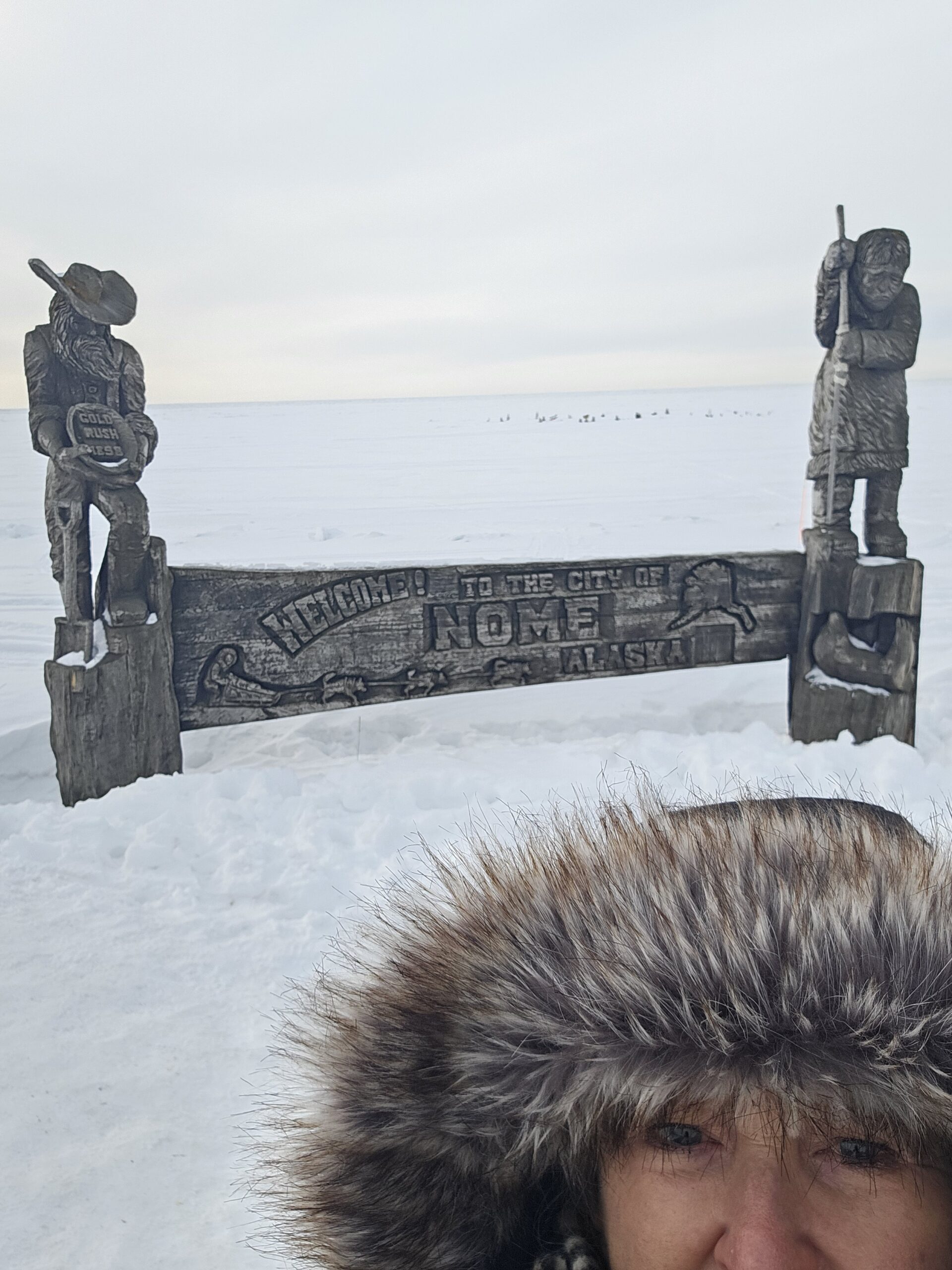
Before gold was discovered in the region in the late 1800s, Nome was a seasonal home for native Alaskans; its location on the edge of the Bering Sea made it a vital hub for hunting and fishing in the area.
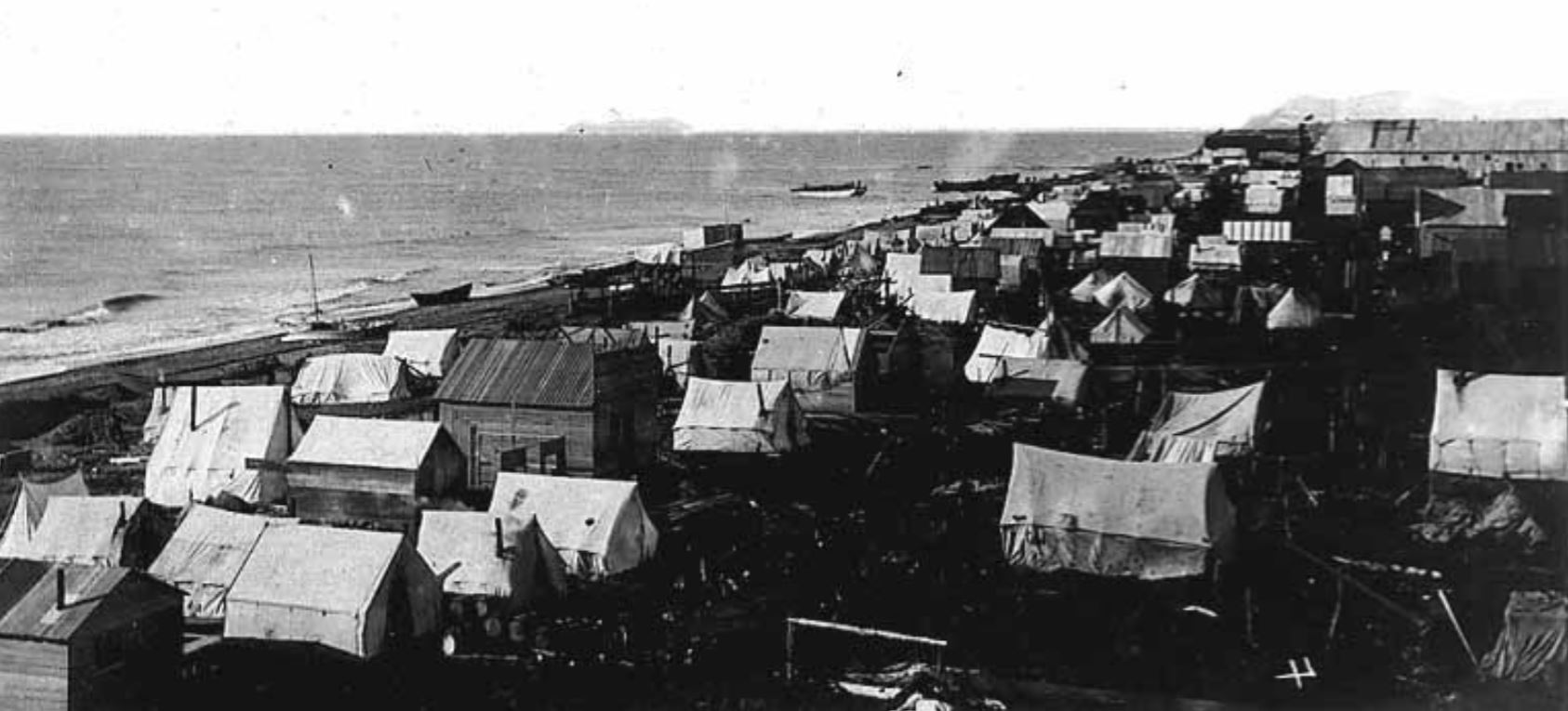
However, in the late 1800s Nome transformed into a unrecognisable clutter of activity, with tents scattered along the beach, housing the intrepid and eager miners close to where the gold was to be found. It quickly turned into a town of up to 20,000 people, and there was reputed to be around 100 saloons at one time!
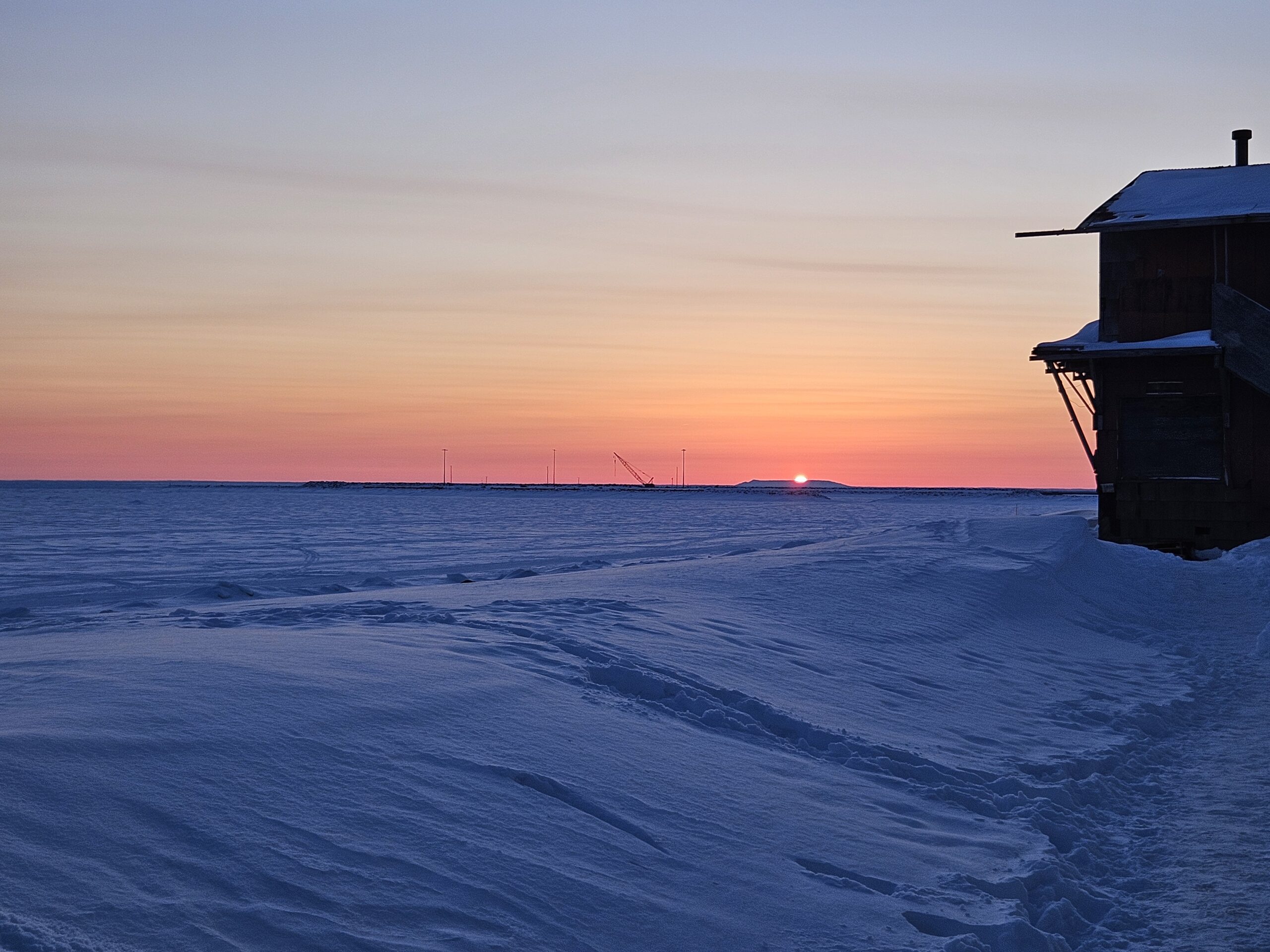
It was always remote, especially in Winter. There are no roads in, so it can only be reached by boat or plane. In winter the Bering Sea completely freezes, so that rules out the boat access at that time of the year. Moreover bad weather can also prevent air access.
Of course, there has always been the use of dog sledding as a means of transport to and from Nome and other remote Alaskan towns. Today, however, it’s mostly the Iditarod mushers who travel to Nome by dog sled. (Read further about this on my post ‘Iditarod – the Trail or the Race… which came first?‘)
Even under a thick layer of snow, which made the landscape picturesque, I got the impression that it was still a place where making a living required determination, innovation and imagination, as well as lots of hard work!
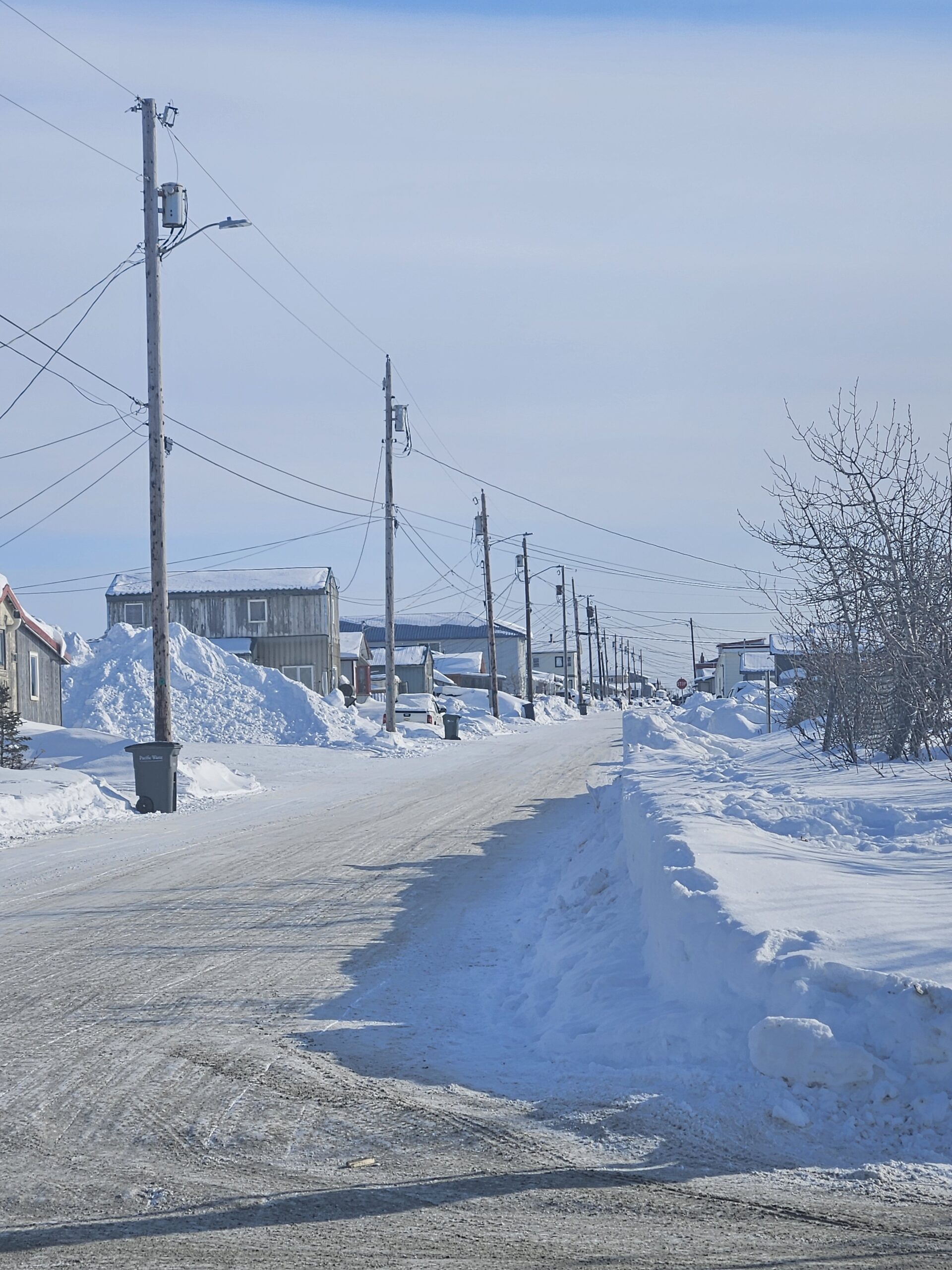
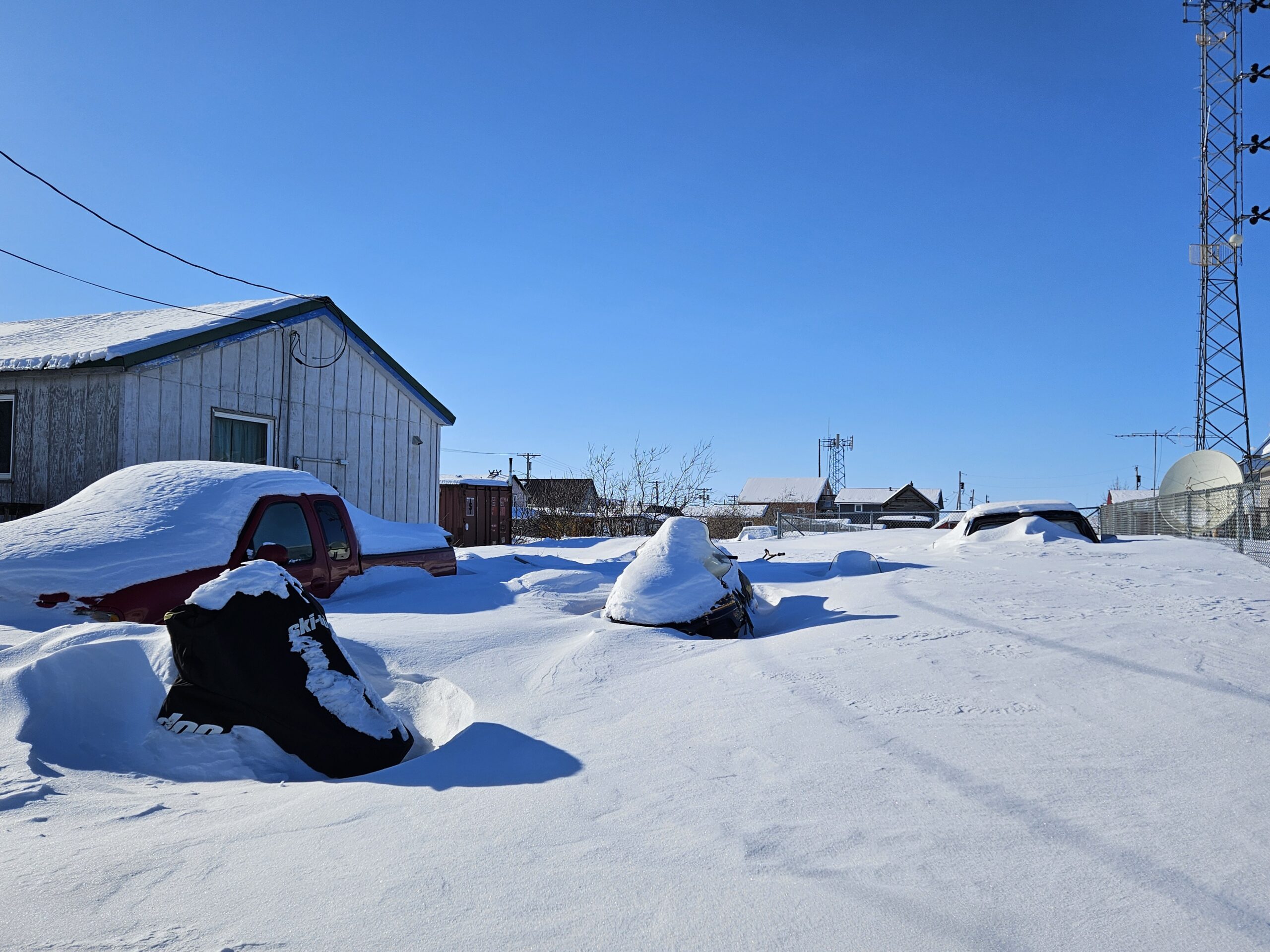
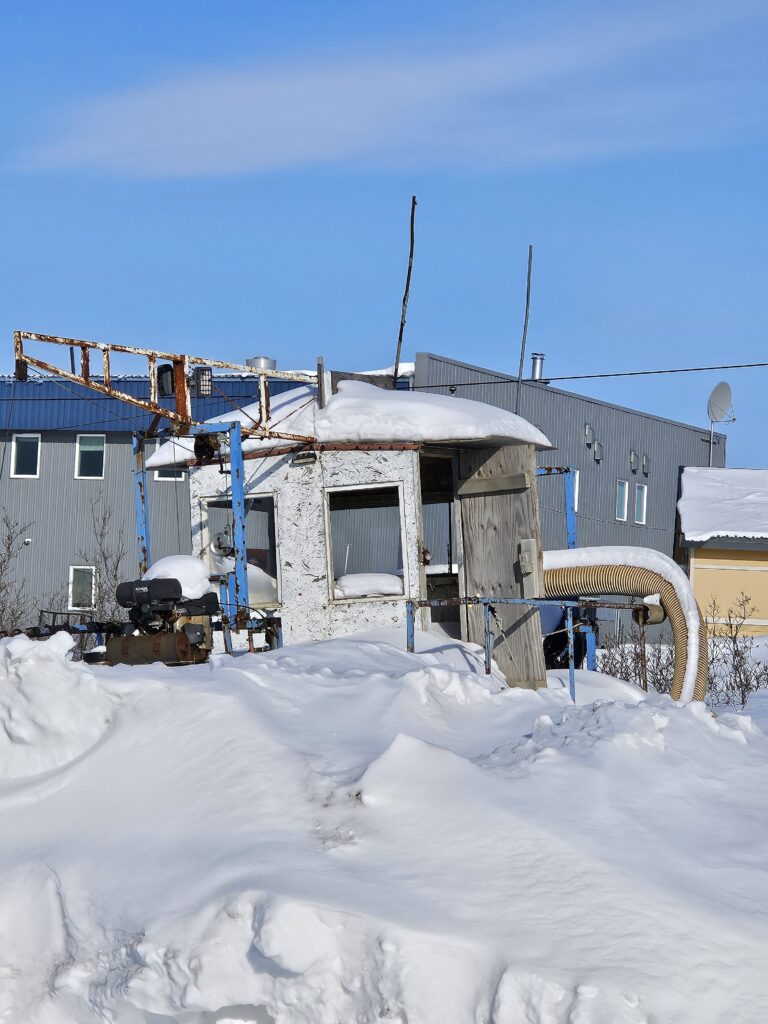
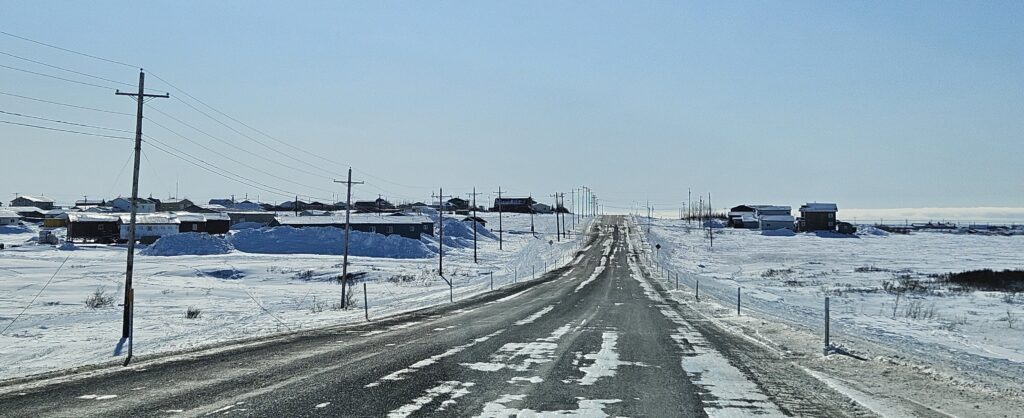
With all of this, and despite its cold temperatures (up to minus 40 degrees Celsius) I just loved my six day stay there.
As a tourist at the time of the Iditarod, I had plenty to see and do. The locals go all out to put on a terrific line-up of events; the Iditarod banquet, musher meet and greet events, the annual craft fair, to name a few. Plus, it was from Nome that I visited two of the checkpoints; White Mountain and Safety
Our accommodation was located very close to the town centre, which meant that we could explore on foot when we didn’t have other activities scheduled.
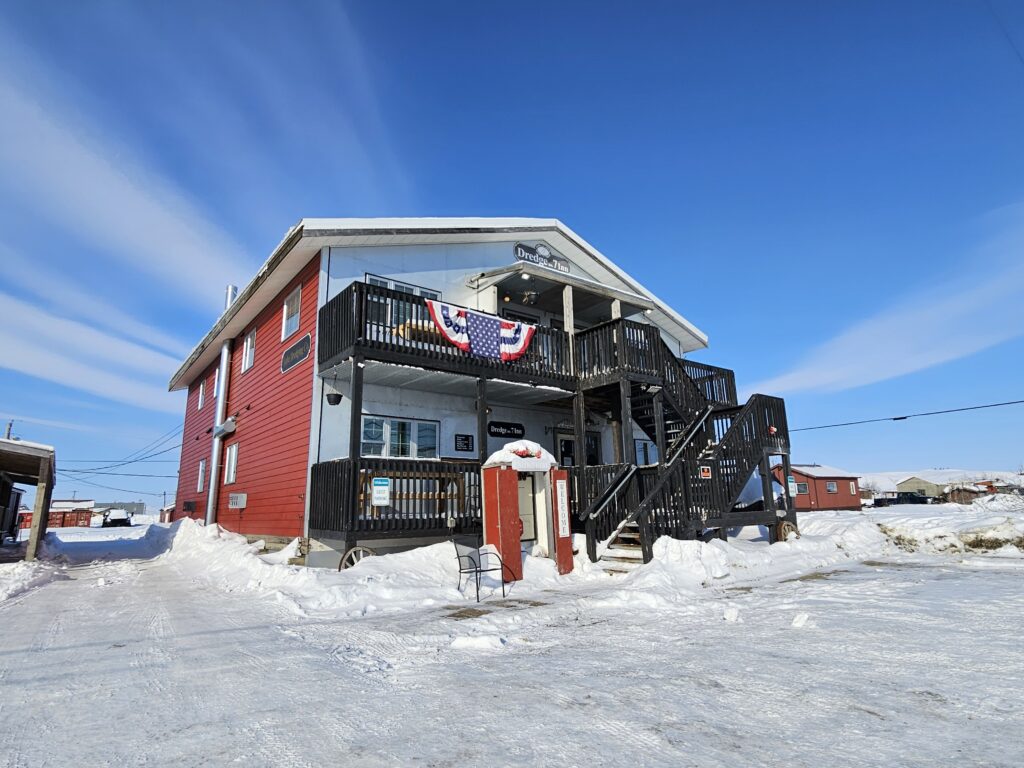
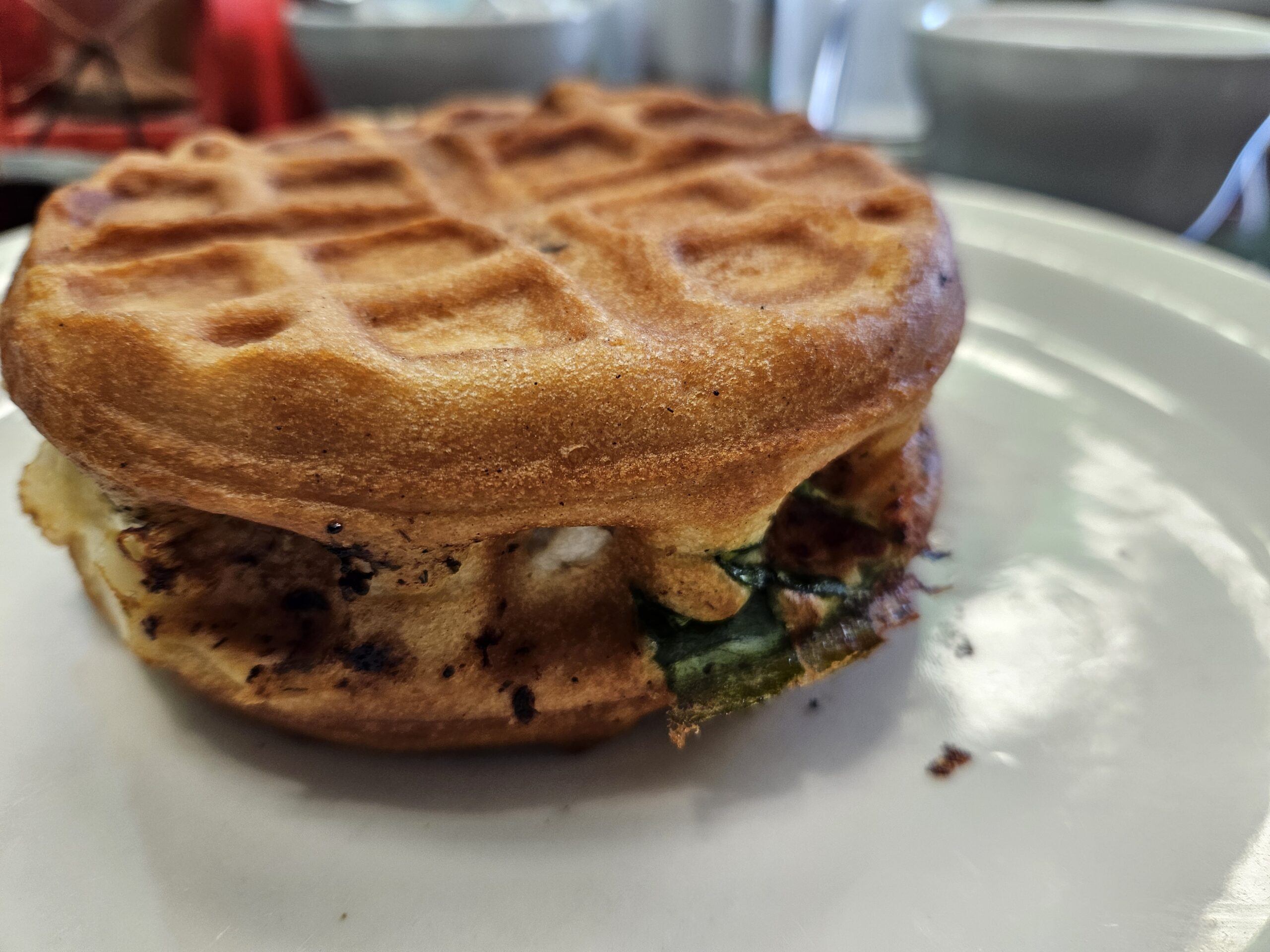
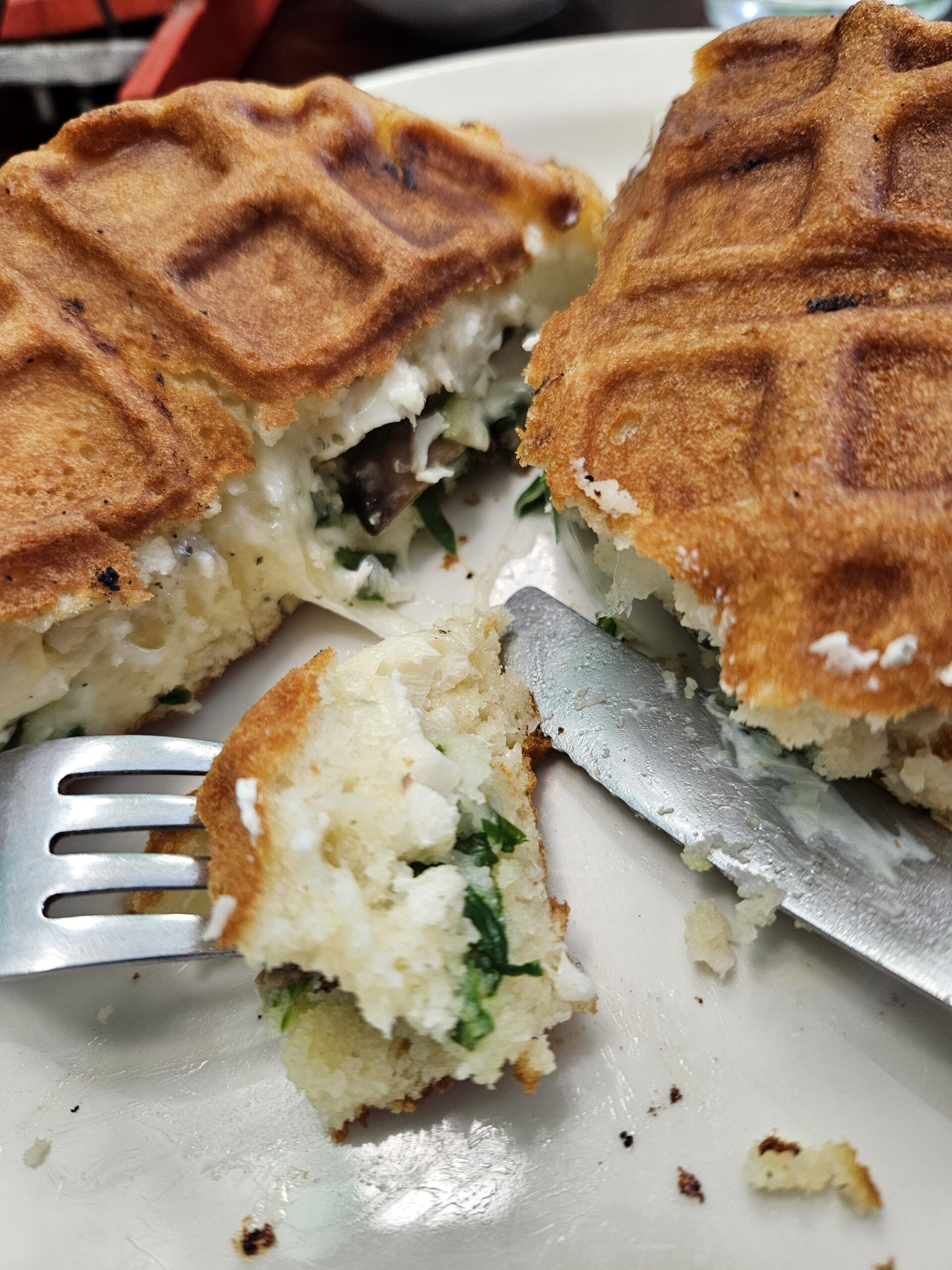
One of our favourite haunts was Pingo’s Bakery and Seafood House; an unlikely combination, I know. However, the name comes from the fact that the owners are husband and wife; a partnership between a talented chef and a committed fisherman. Take their signature dish, for example. The halibut stuffed waffle…. Yummmmmm! And they made the best coffee!
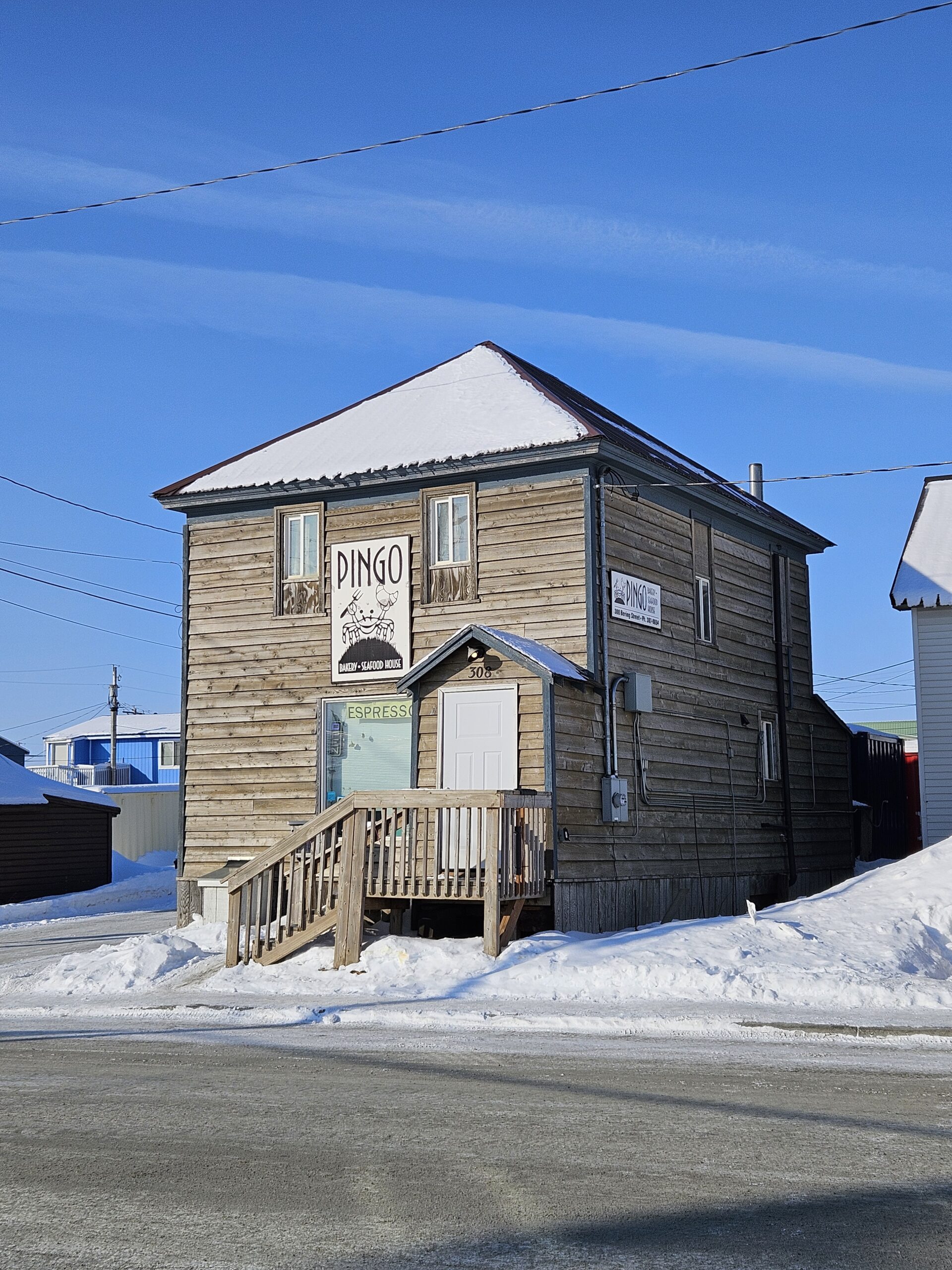
There were other restaurants, and our guide explained that we would be having our meals at three restaurants – Milano’s, Airport Pizza and Golden China. Each day, we would decide which venue we would visit for lunch, and then which one for dinner, sharing our custom across all three over the time we were there. It was quite hilarious, though, as you might think that the menu at Milano’s was substantially Italian, at Airport Pizza it would be pizza, and at Golden China it would be Chinese. This was not the case, however. At each restaurant we were provided with a choice of all types of food! At Golden China you could also get burgers and nachos. I had one of the best ramen at Airport Pizza. And the Rainbow sushi at Milano’s was one of my favourites!
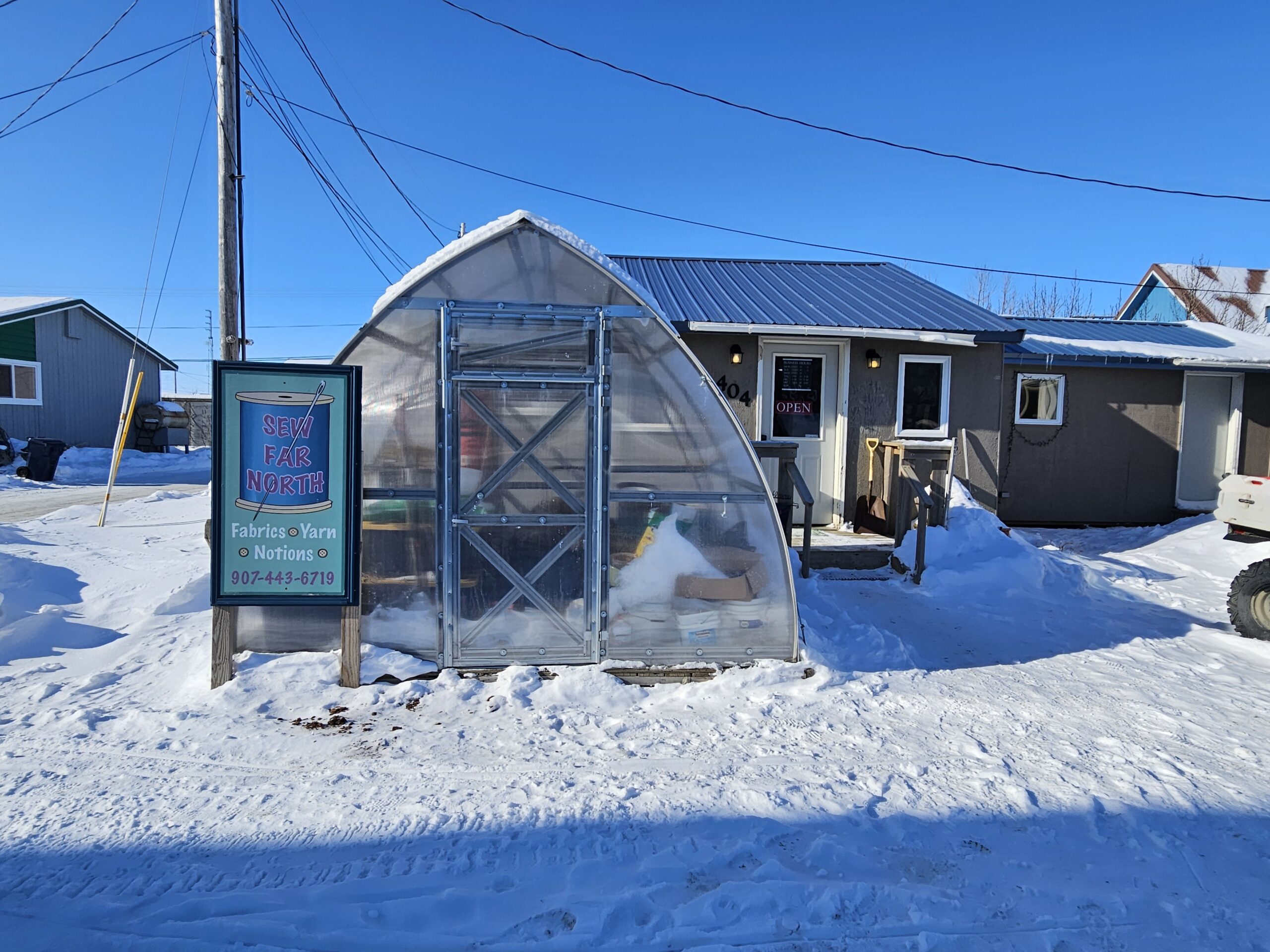
There were plenty of things to do while we waited for the teams to arrive. There was the Iditarod Art and Craft Fair, held in the church. Plus I couldn’t resist visiting the patchwork shop, Sew Far North, located in a small cottage in one of the side streets.
The Carrie M McLain Memorial Museum was fascinating – I even discovered a link with my ancestors when I saw a diary kept by someone who voyaged in the ship, Zealandia, in 1900 to get to the gold rush. My great grandparents took the same ship in 1885 when they left Sydney, bound for San Francisco, on a world trip. Such a coincidence!
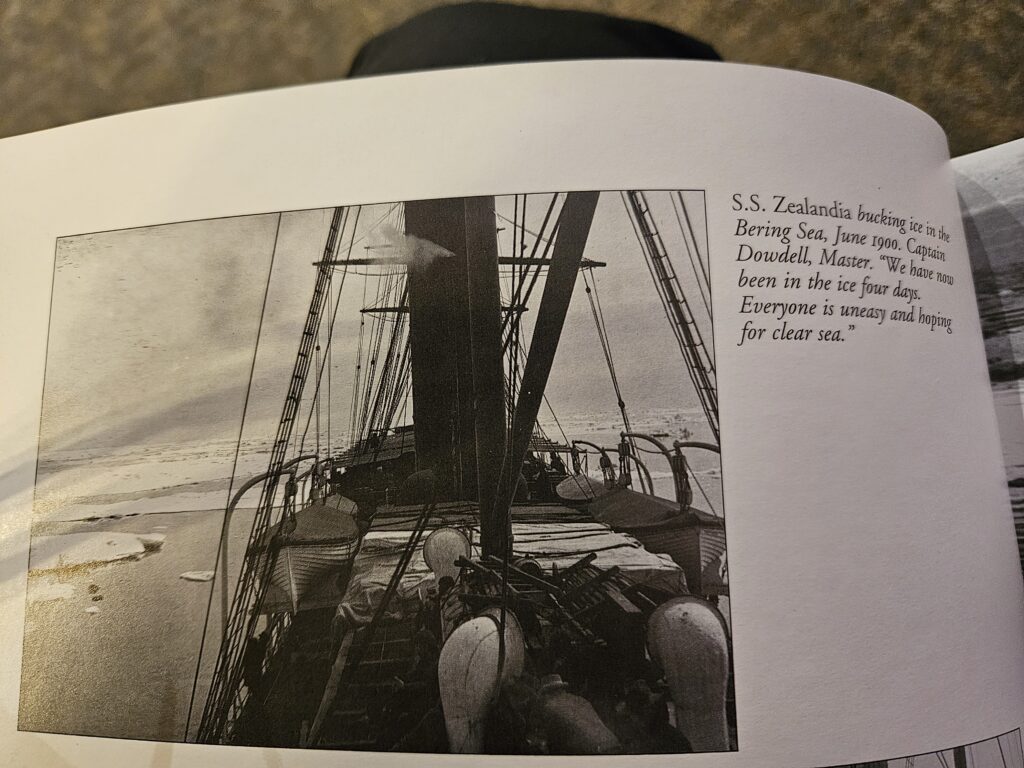
It reminded me that Nome was the scene of other historically significant events, apart from the gold rush. There was also the story of Ada Blackjack, who spent part of her life in Nome. (Refer to the post about my reading list) And of course, the Serum Run of 1925. (I read “The Cruelest Miles”, a book so fascinating that I created a separate post for this one!) After reading about these months earlier, it was amazing to actually be where these stories unfolded in real life.
There was evidence of the Iditarod everywhere, and the excitement mounted as the mushers approached and the champion would soon cross under the “Burled Arch”.
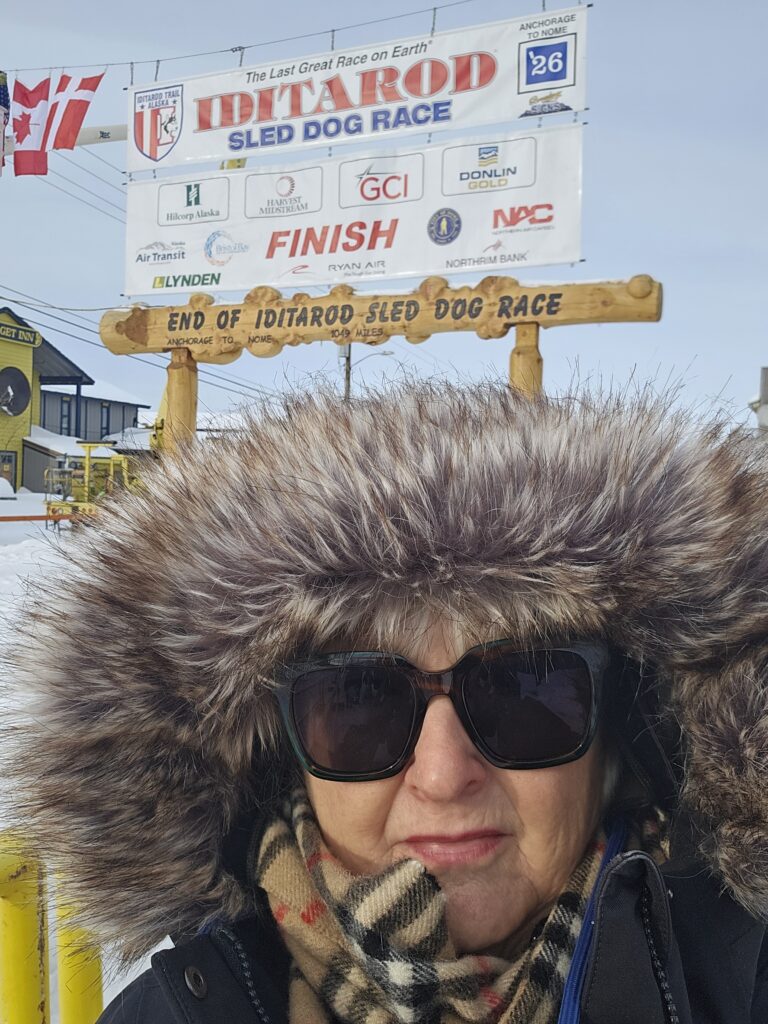
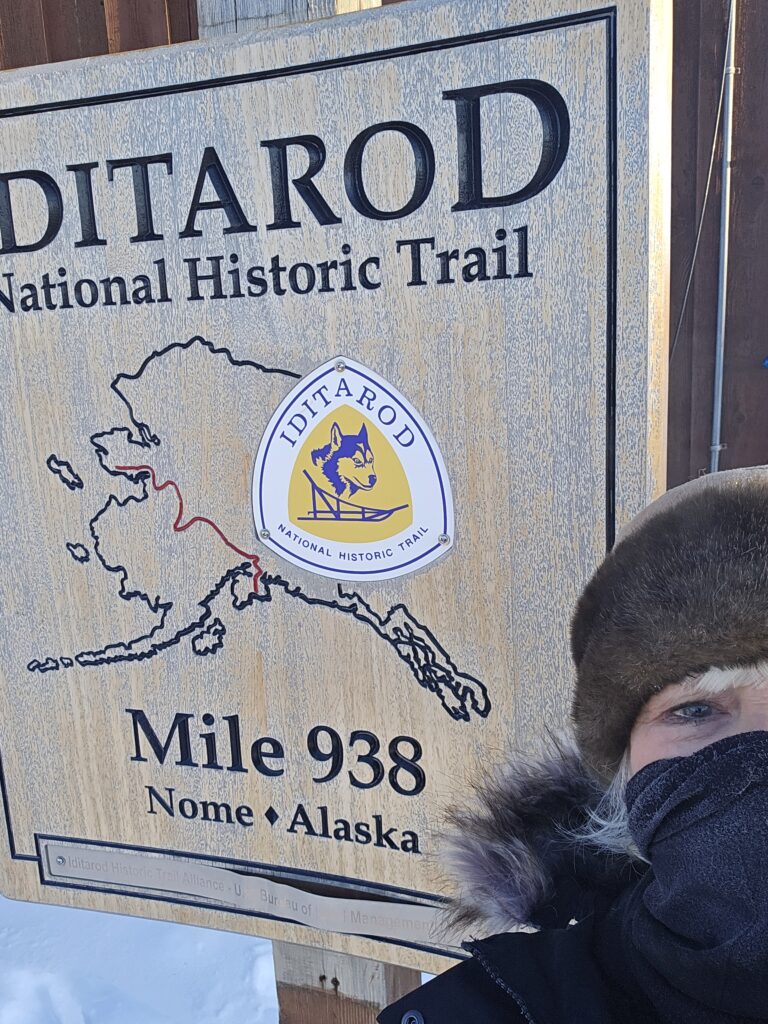
Jessie Holmes was the champion, after having been in the lead for a great part of the race.
From then on, every time a team arrived, day or night, a siren would sound, which could be heard across the whole town. It was so exciting to be there to experience all of this.
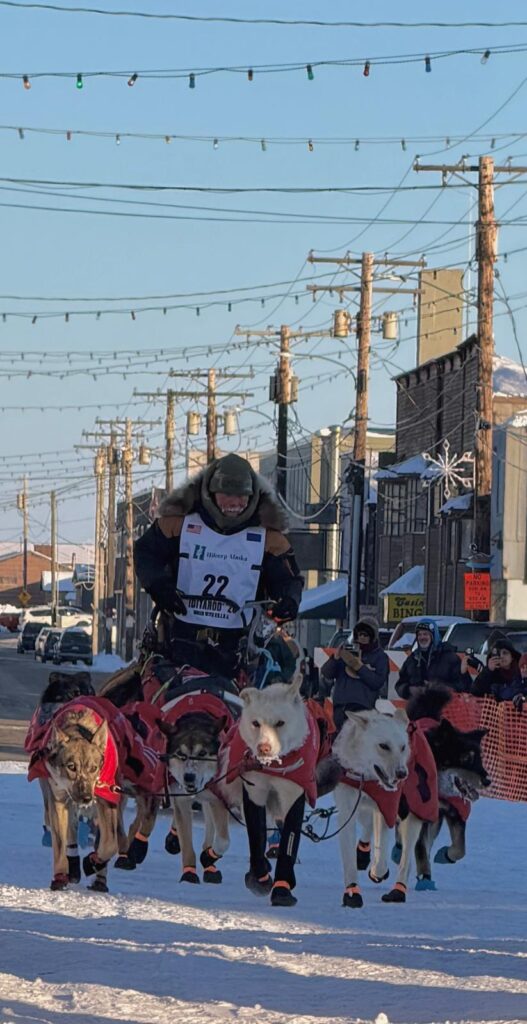
Finally the last musher arrived, and the lantern can finally be extinguished; the lantern which stays alight for as long as a musher is still out in the wilderness. It was quite moving.
And… suddenly… my stay in Nome was at an end.
Sources:
-
Smithsonian National Postal Museum website
-
University of Washington Library Special Collections