City Impressions: Dublin
I had never been to Ireland before and had no preconceived ideas about what to expect… that is, apart from what I had read in Emily’s book, Vignettes of Travel, which she wrote after she and Alfred (my great grandparents) visited there in 1886. So, when I was wandering around the city I did seek out some of the sights which she mentioned.
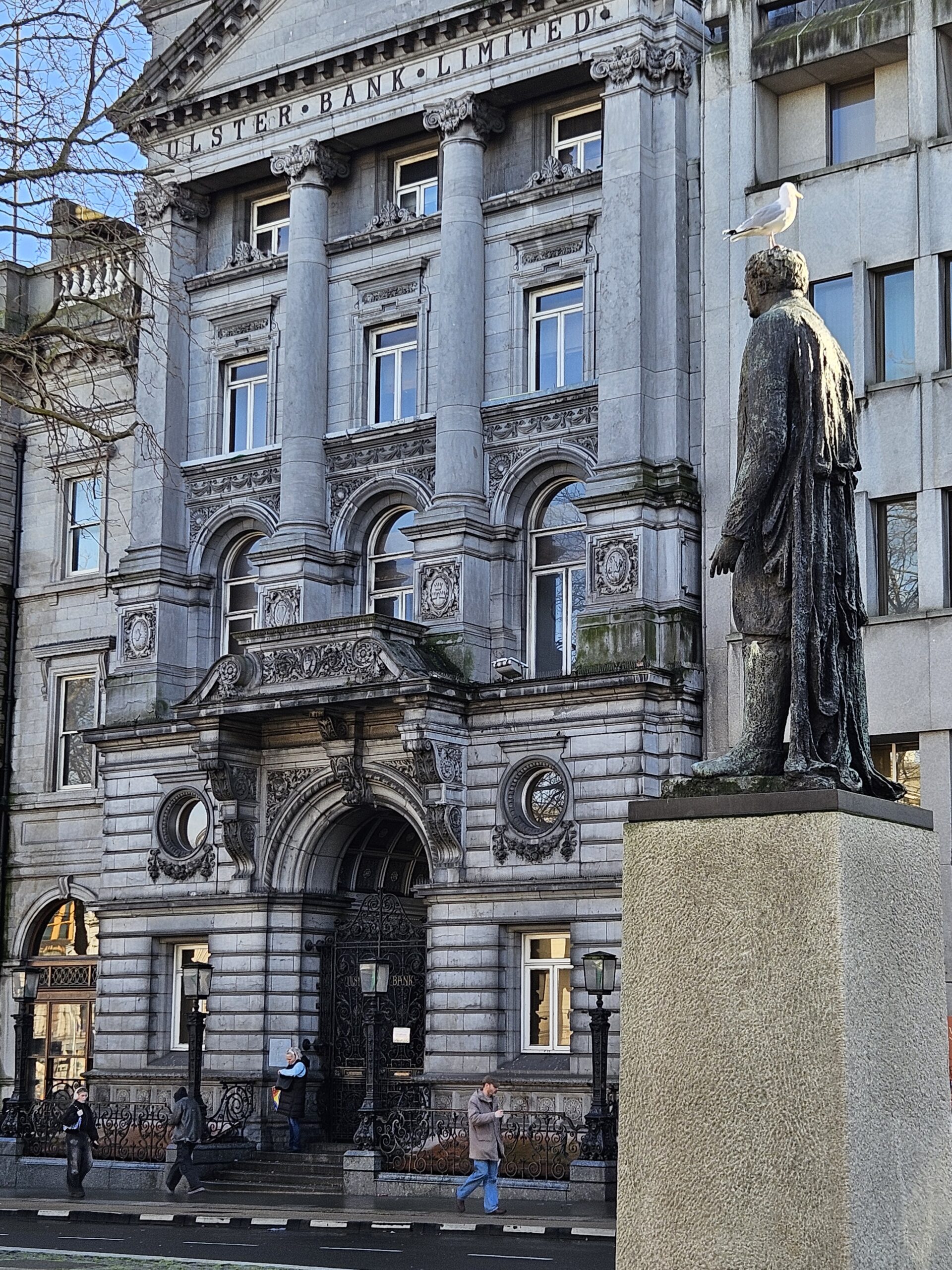
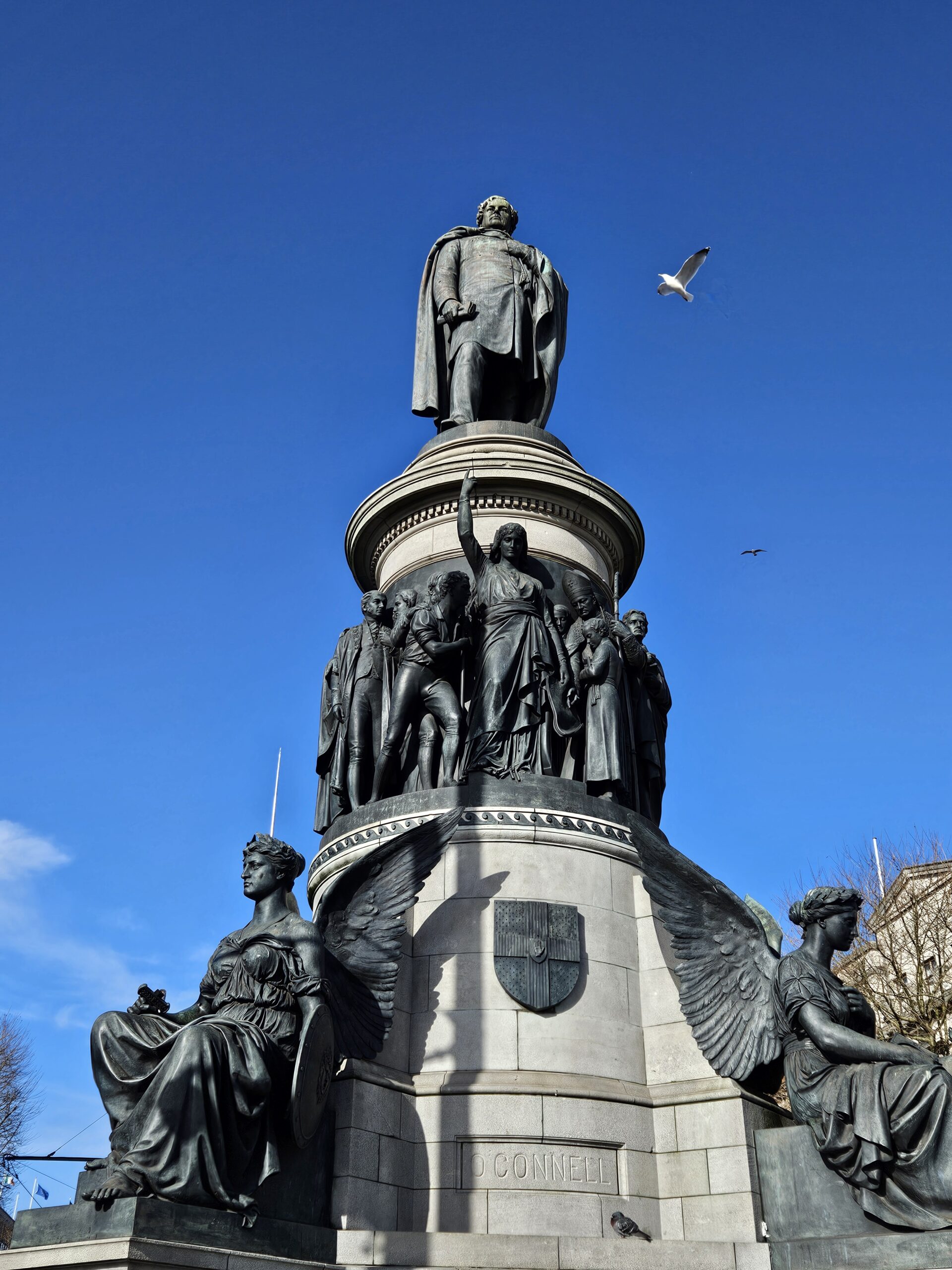
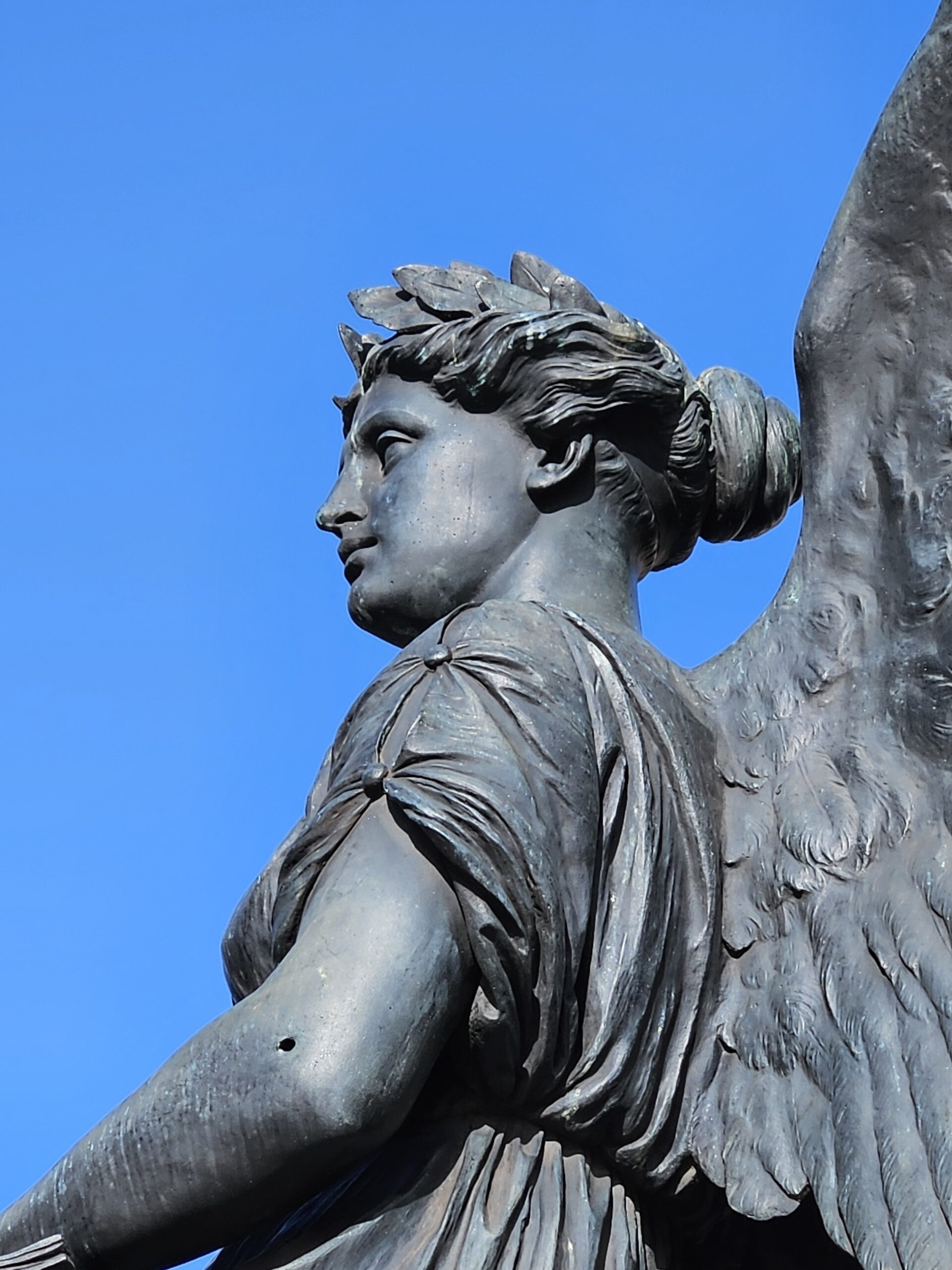
Emily mentioned the statue of Daniel O’Connell. O’Connell (1775 -1847) was known as the Liberator for his work in freeing Irish Catholics from the severe restrictions which had been imposed on them. The statue was completed in 1882 When Emily was in Dublin, though, it didn’t have the bullet holes from fighting during the Easter Uprising in 1916.
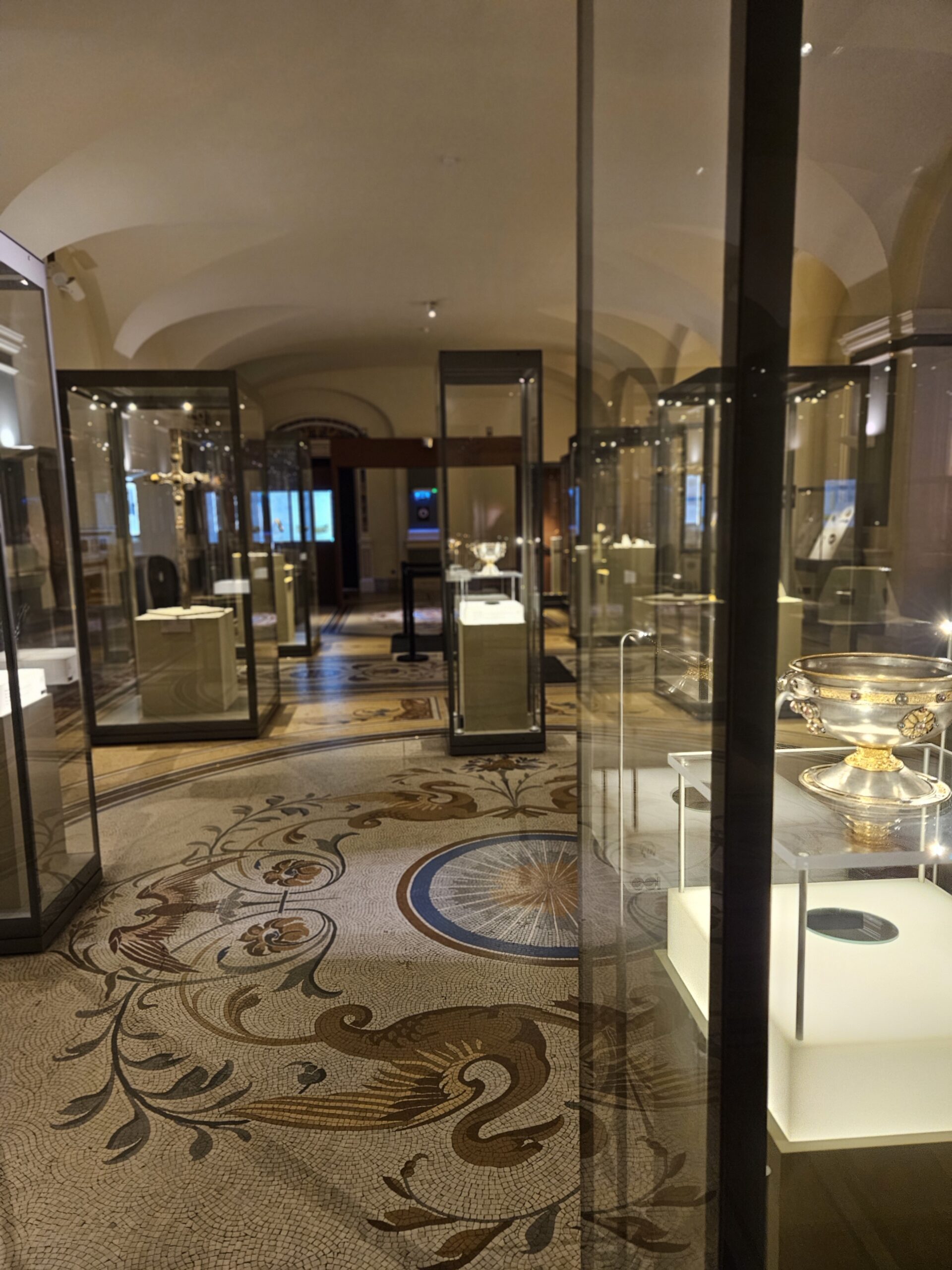
Another important theme for me was the Viking heritage. The National Museum of Dublin Archaeology contains wonderful exhibits of Medieval Ireland, including relics from the Viking era.
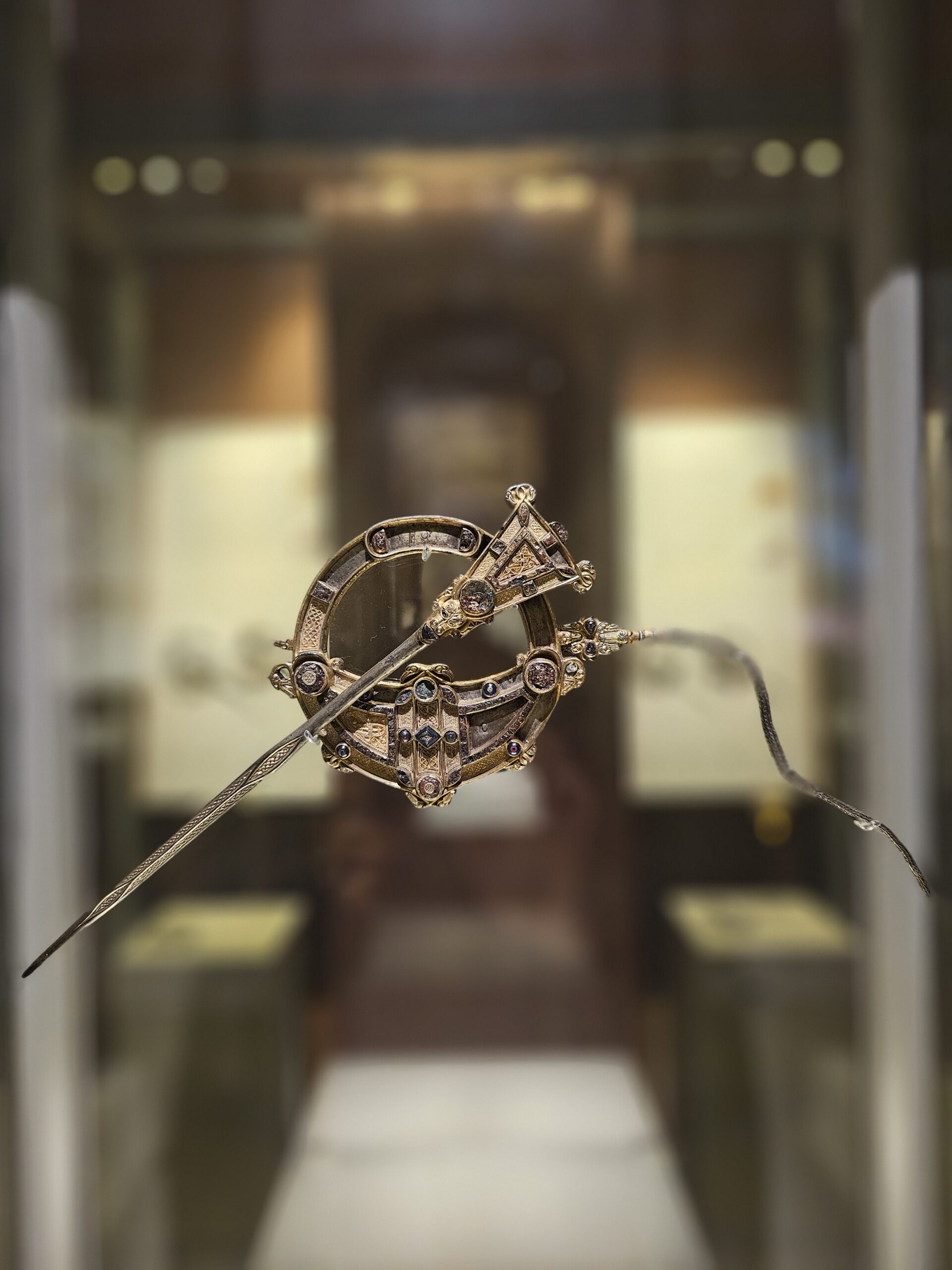
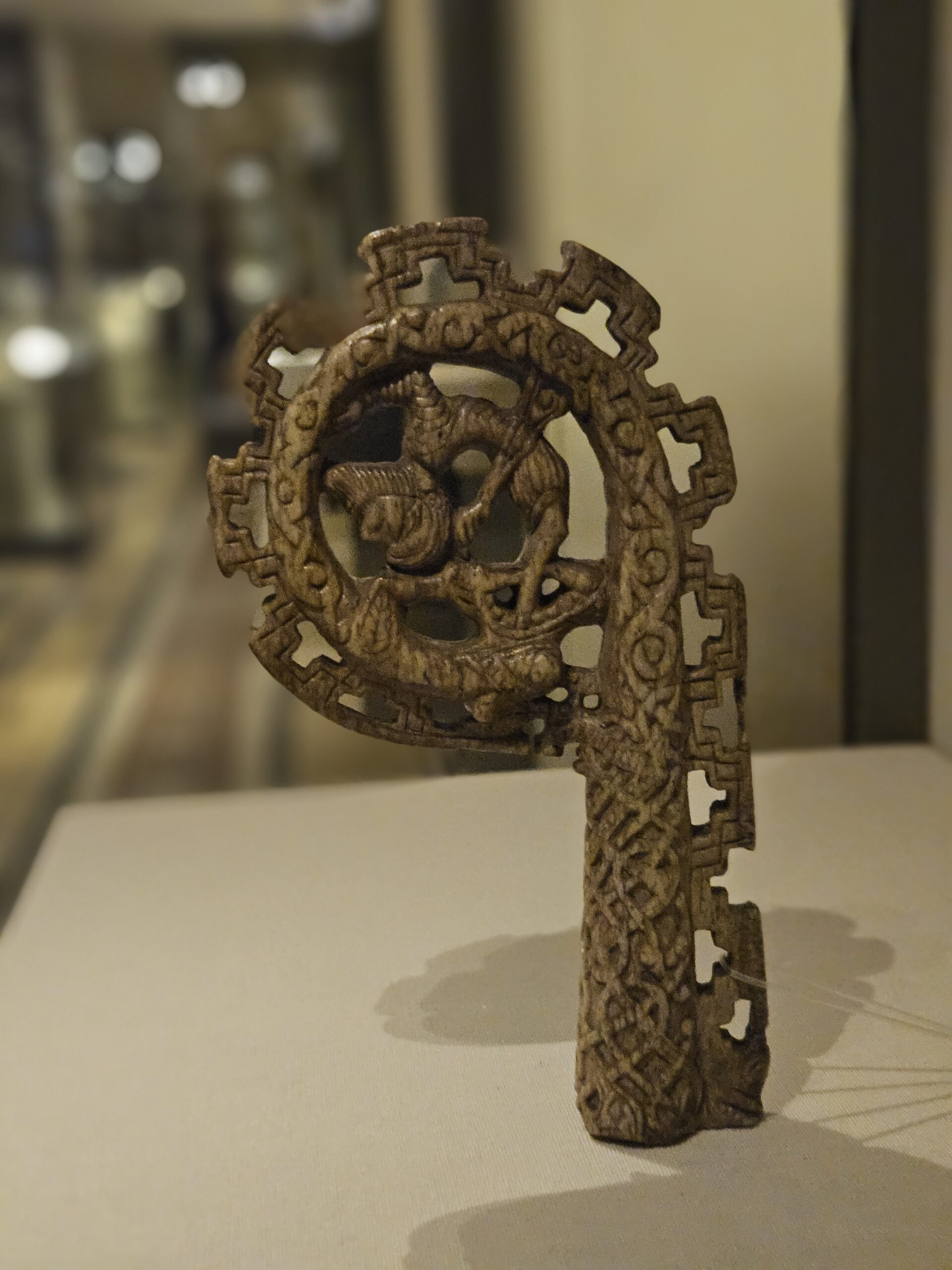
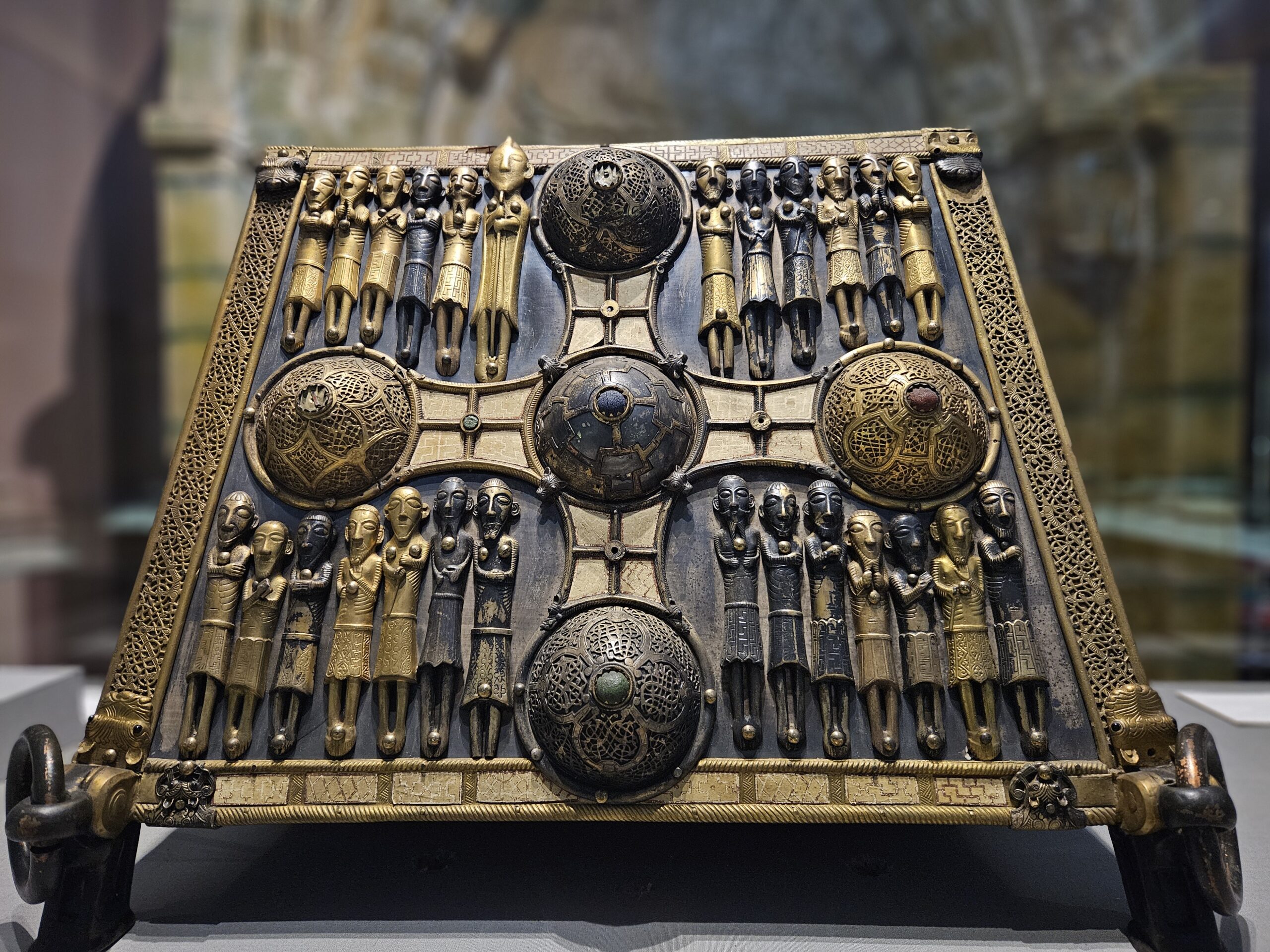
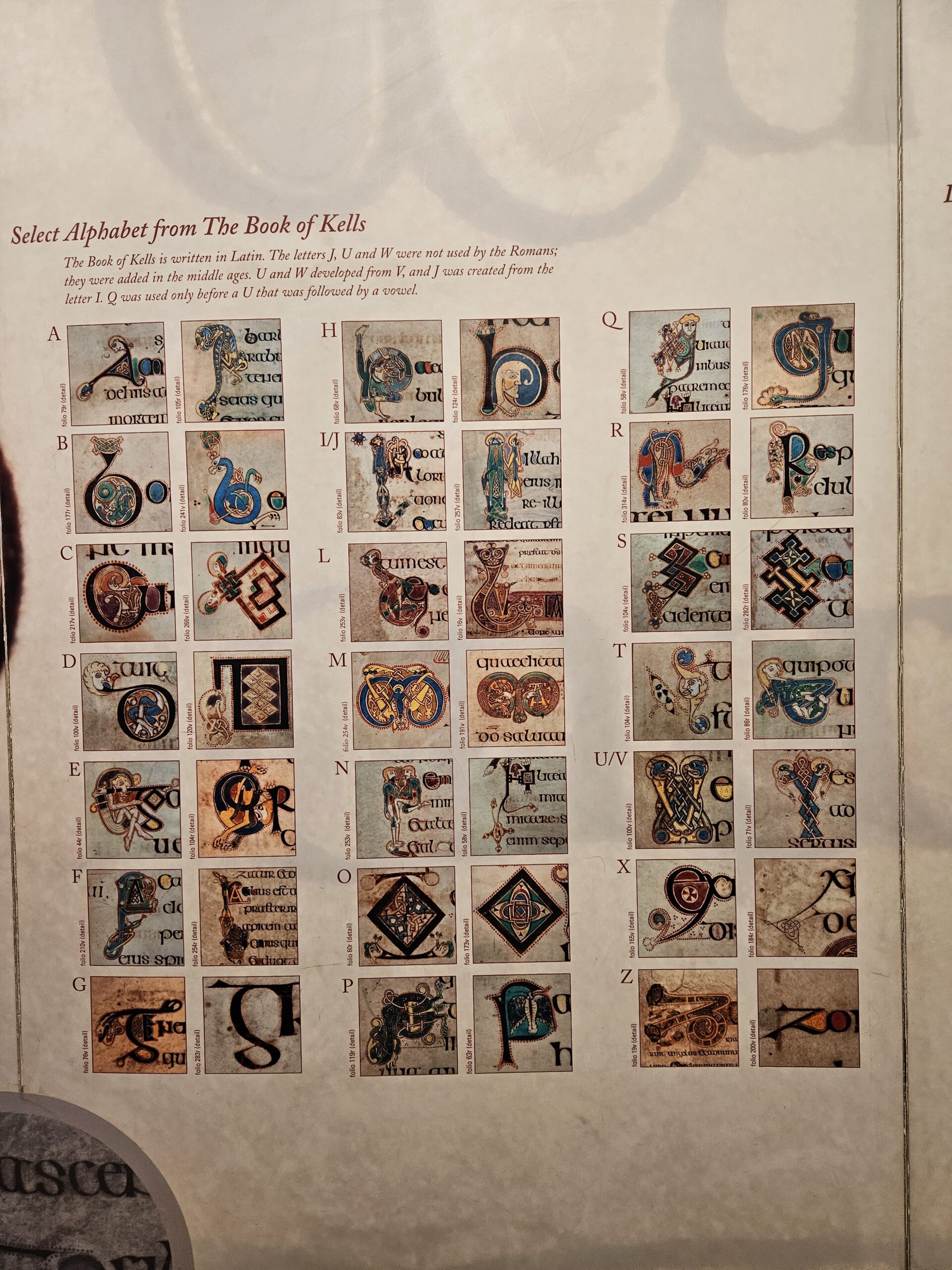
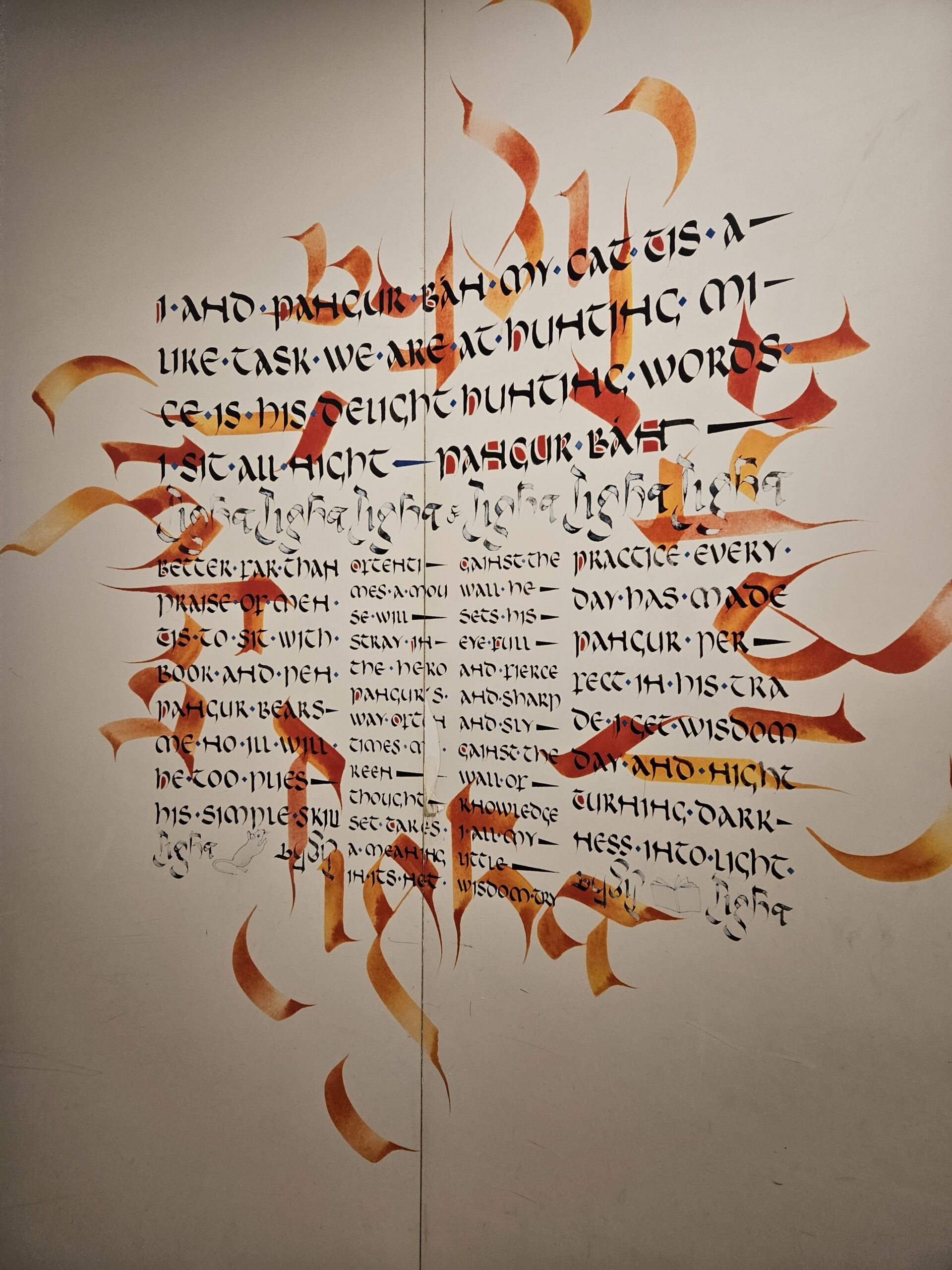
It seems that my Dublin experiences were all about connections. And on reflection that’s probably correct, as another important destination was to view the Book of Kells. The moment I walked into the museum, I was reminded of my mother, who was a talented calligrapher. All around me were larger than life images of details of the illuminated script from the ancient manuscript, together with explanations of its colourful history.
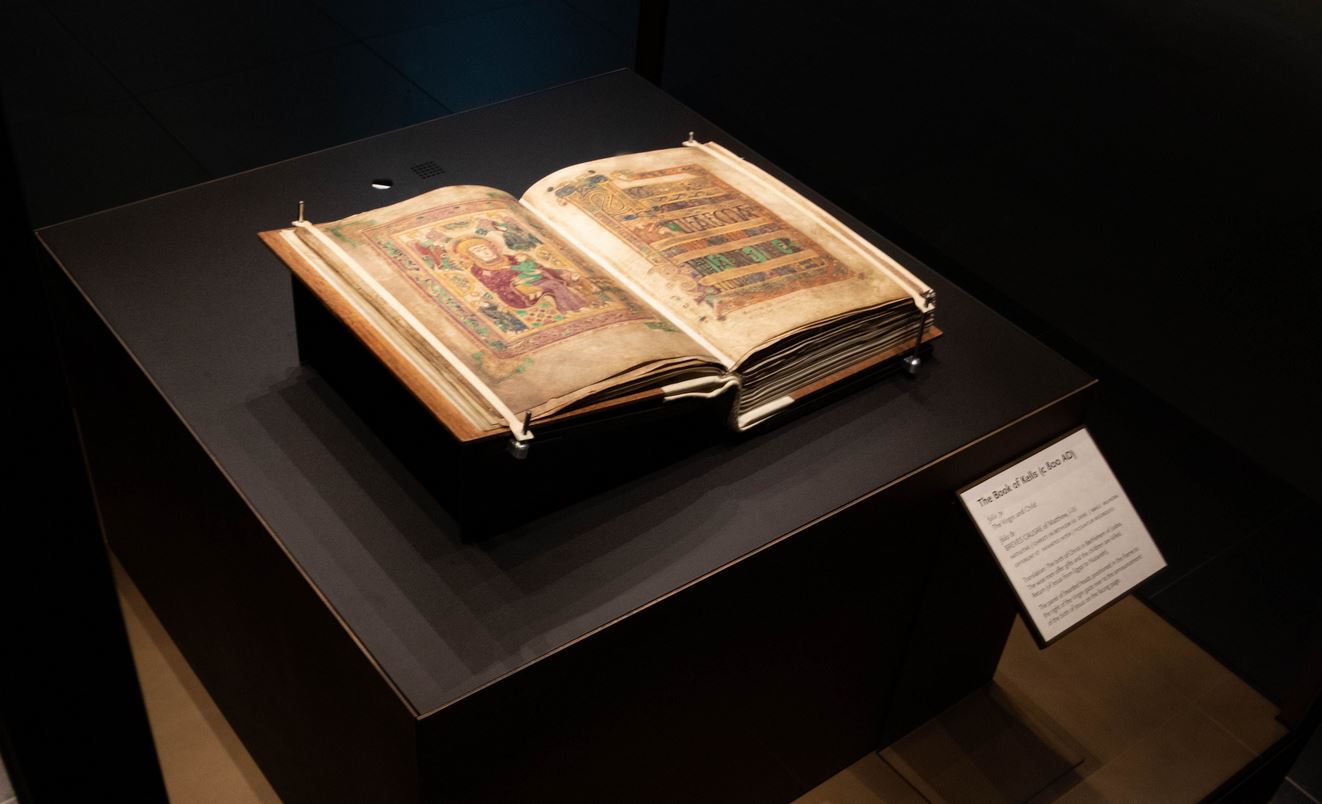
The Book of Kells is an illuminated manuscript containing the four gospels of the new testament written in Latin. It is believed to have been created in around 800 CE by Columban monks. Columba was an Irish abbot who founded the important abbey on Iona and is credited with spreading Christianity in Scotland. While it is not certain, the common theory is that the book was started on Iona and then completed at the Abbey at Kells, hence its name as the Book of Kells. This origin would be consistent with the existence of the Viking raids at the time, particularly the raid of Iona which I have already mentioned in my Viking timeline (link to timeline entry) How the book survived is a mystery, as Vikings also carried out multiple raids on the Kells Abbey.
In 1654 the book was sent to Dublin for safekeeping when Oliver Cromwell’s army was residing at the abbey. Then in 1661 it was presented to Trinity College.
When we went into the room where the book itself was held, there was a curious silence as people viewed it. No photos were allowed, but here are some internet images from it, and from the museum’s exhibition.
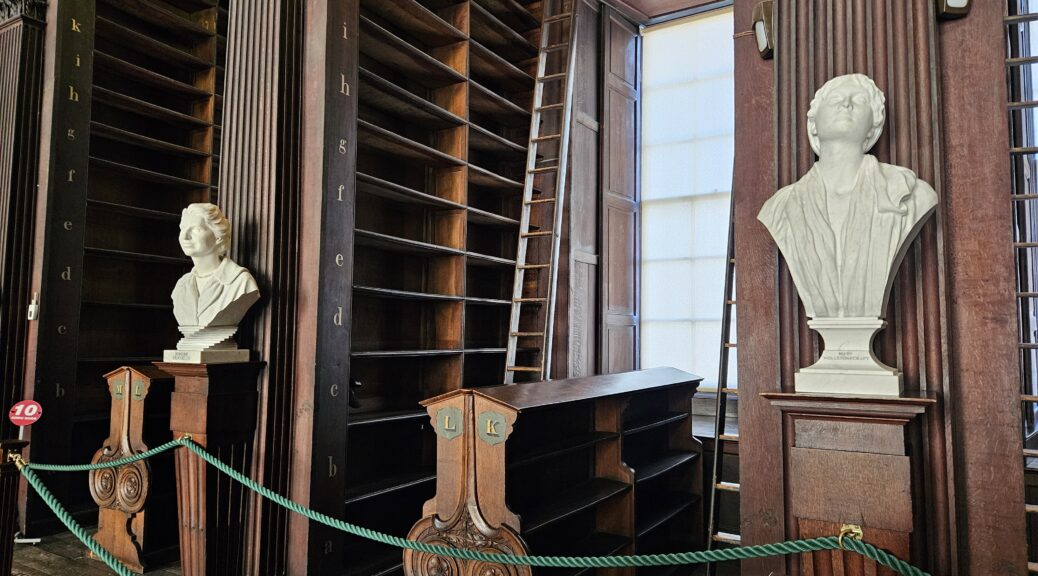
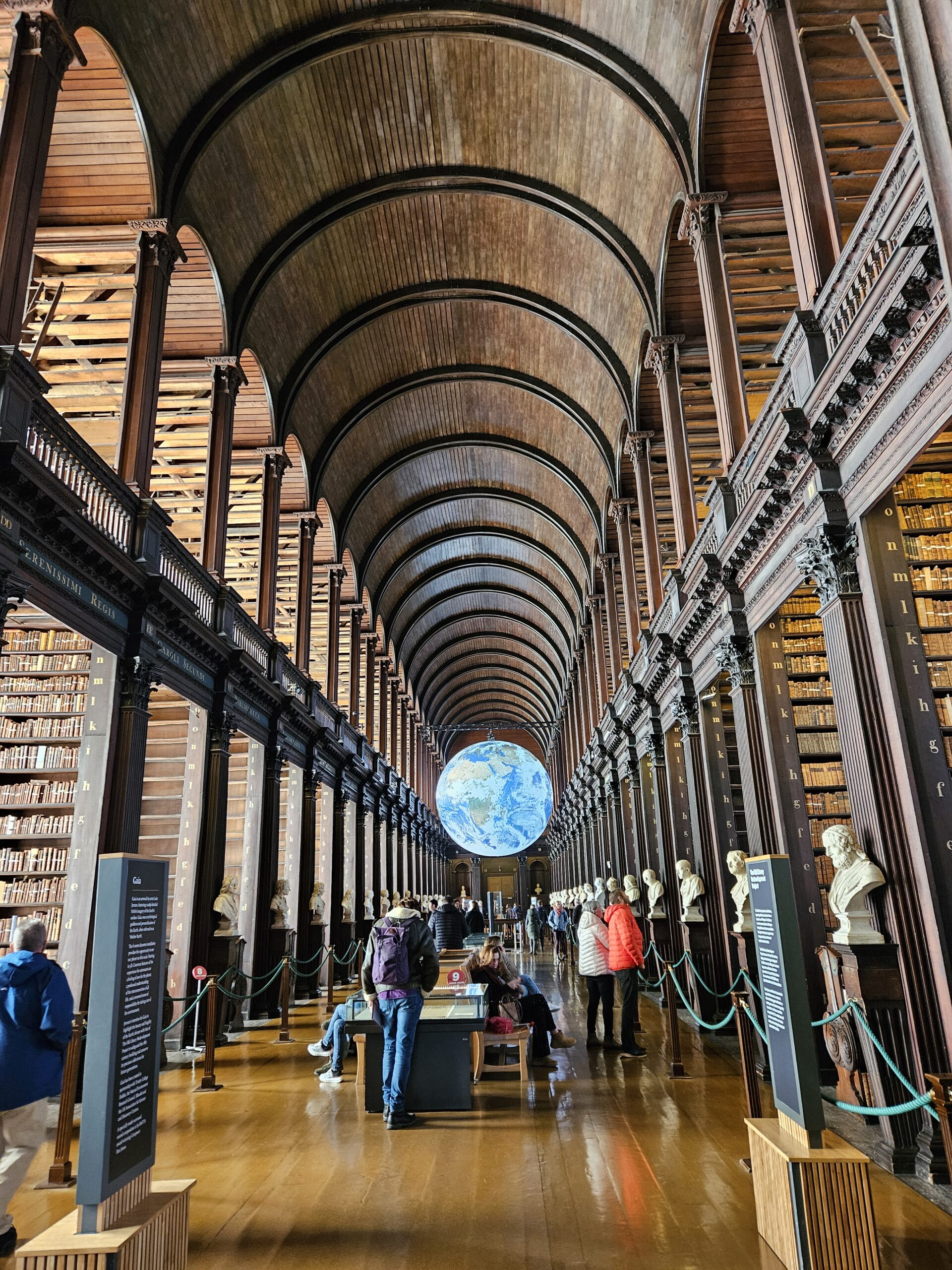
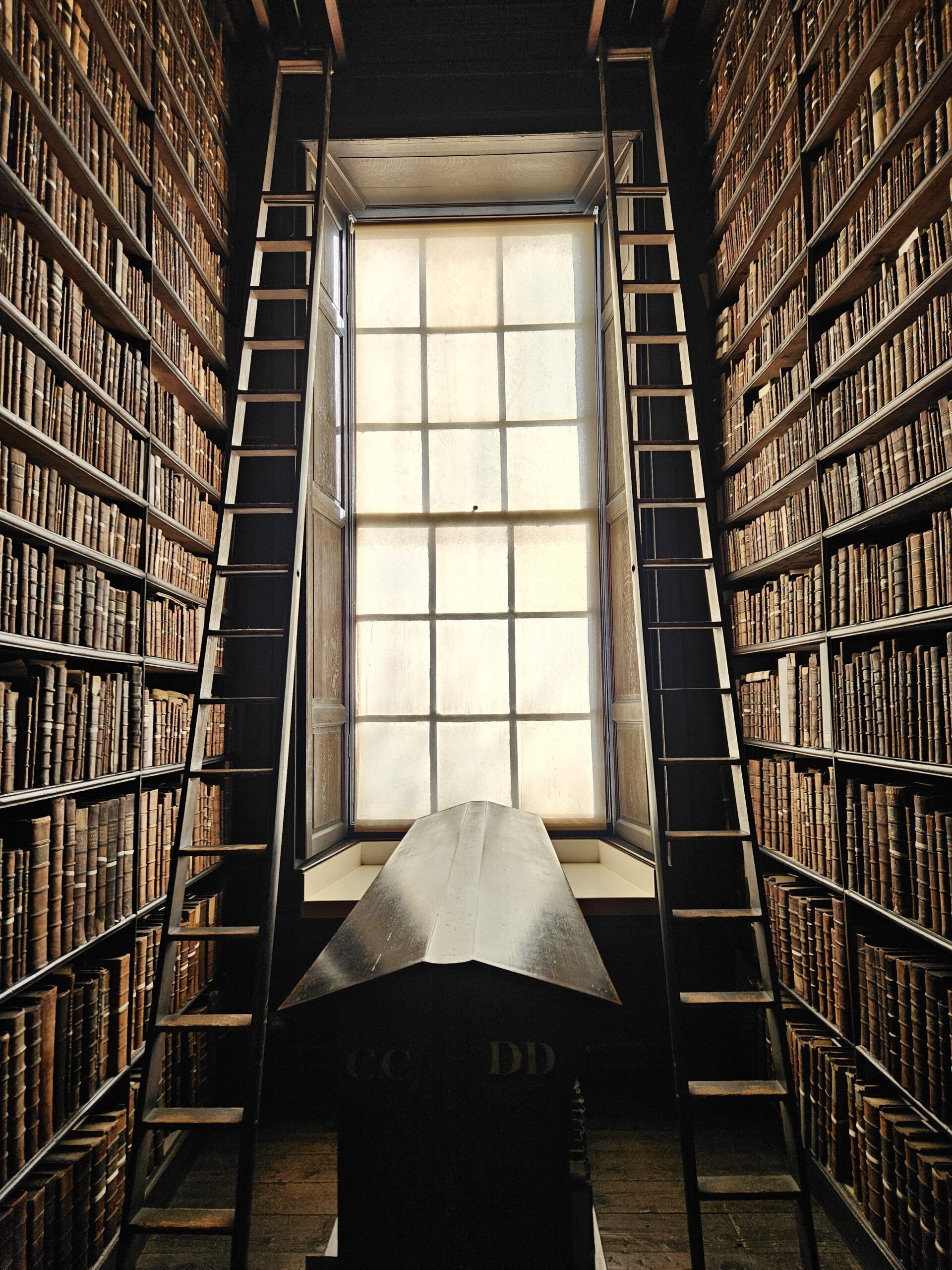
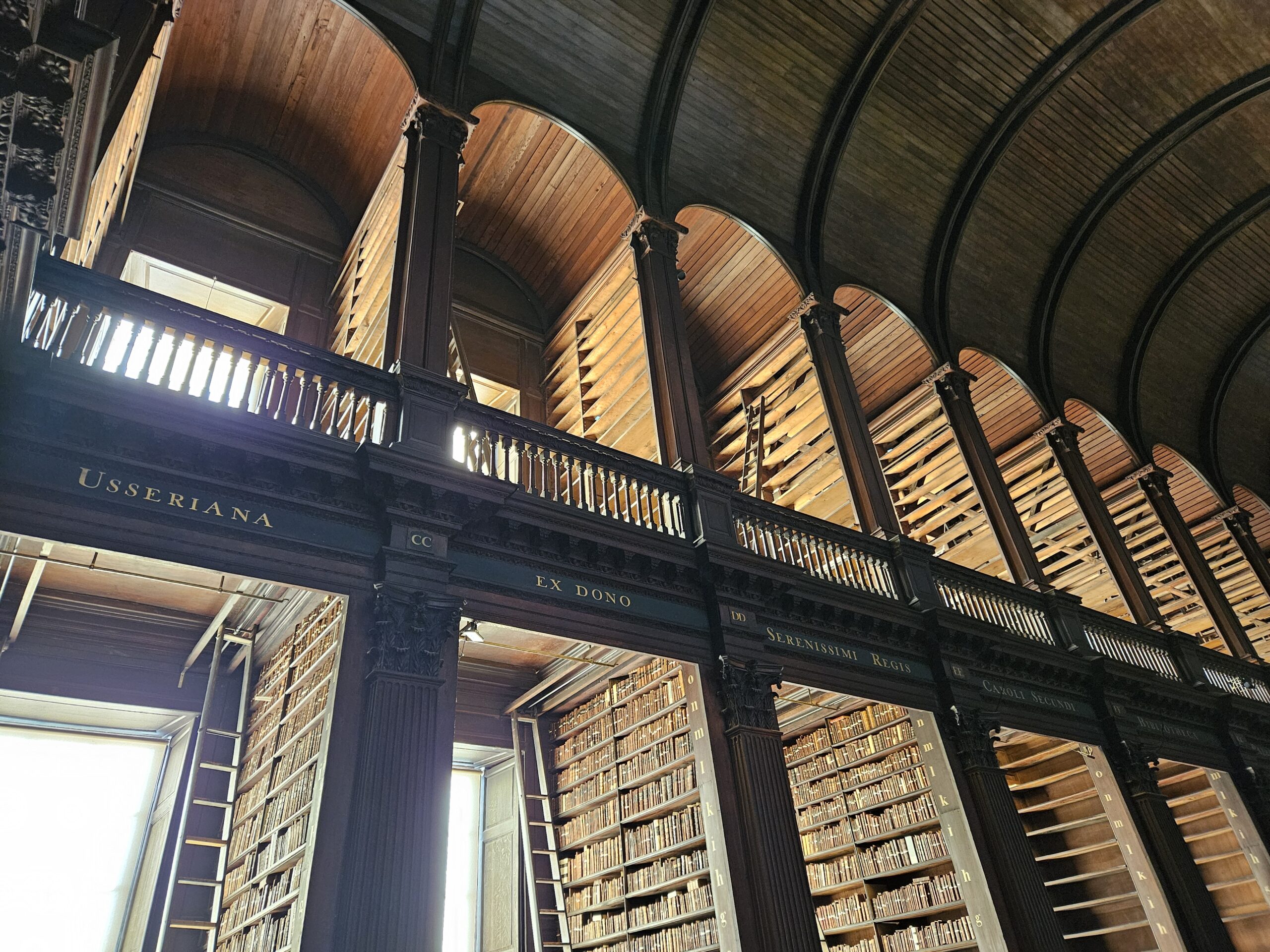
The next awe-inspiring sight was the Old Library, still in Trinity College. Emily describes it as “one of the finest in the world”. I can just imagine her strolling between the soaring shelves of ancient books.
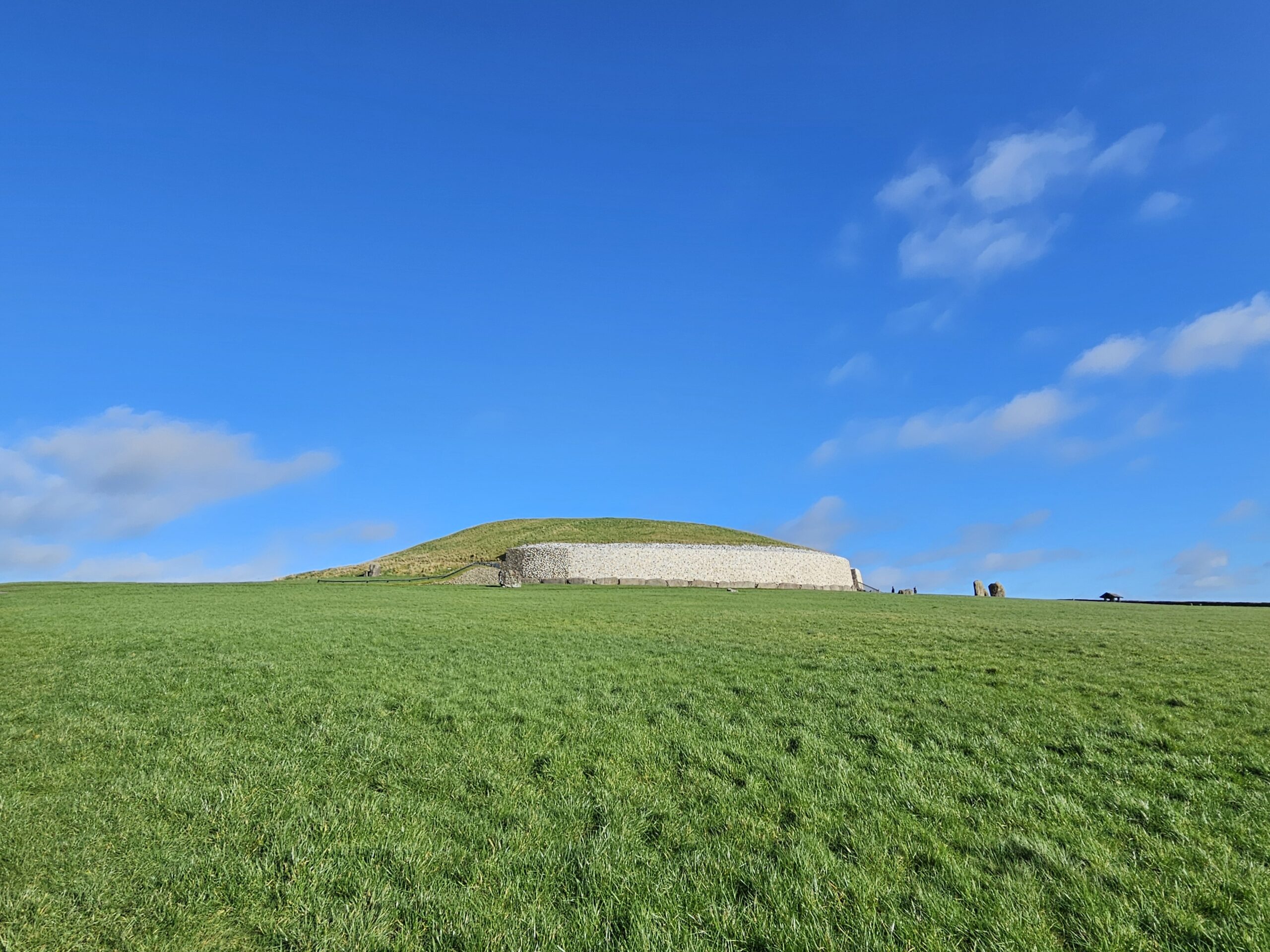
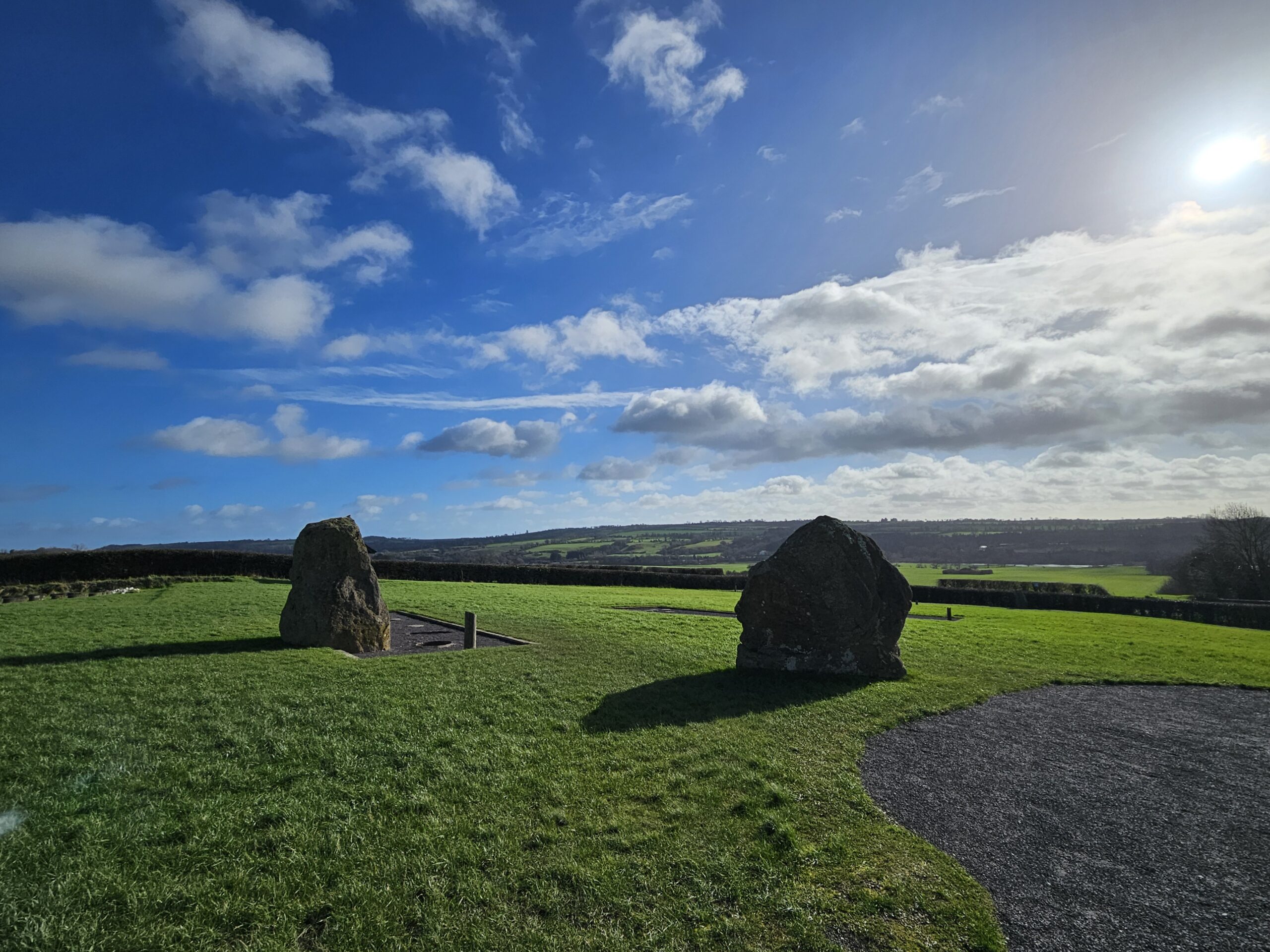
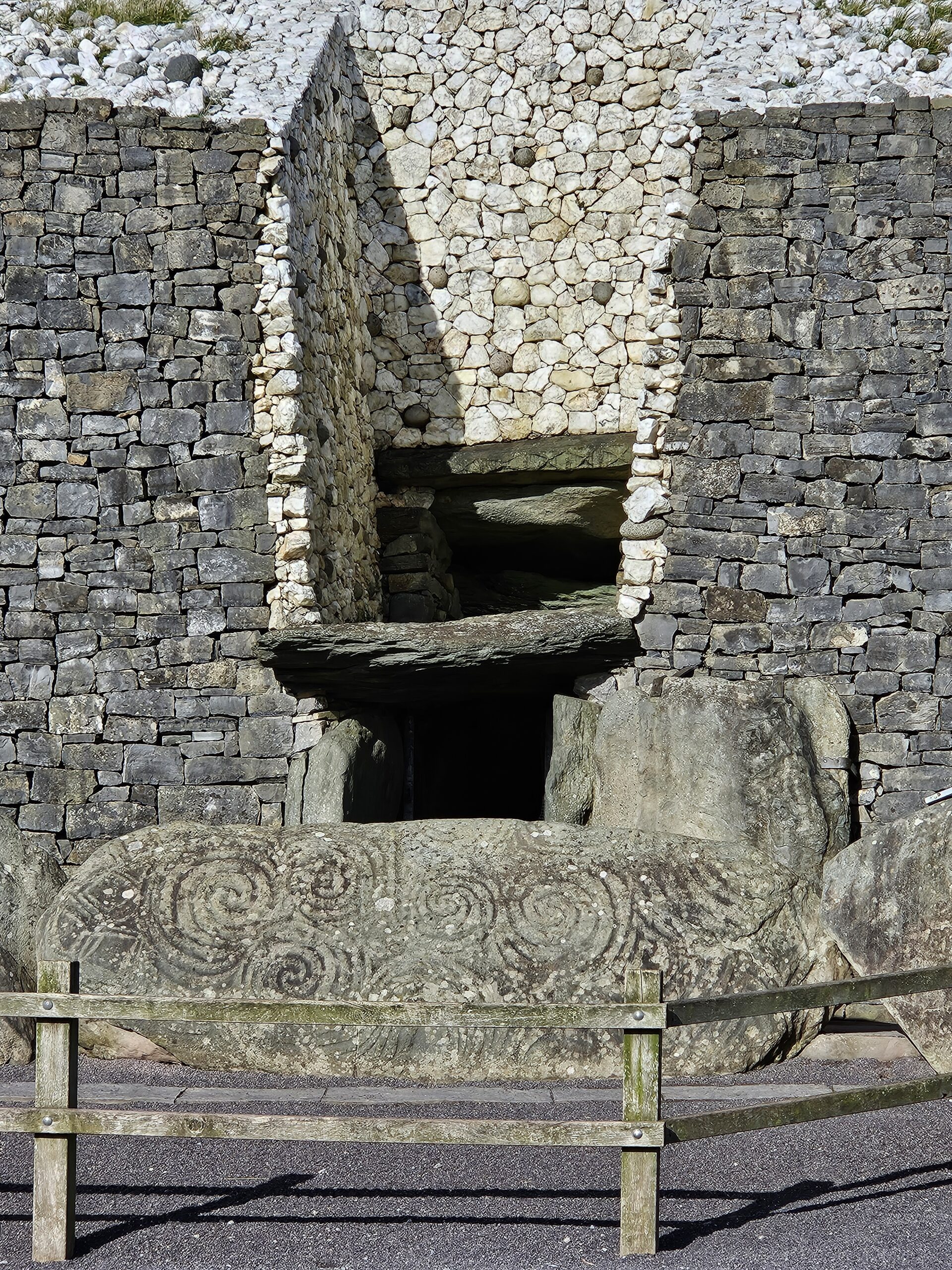
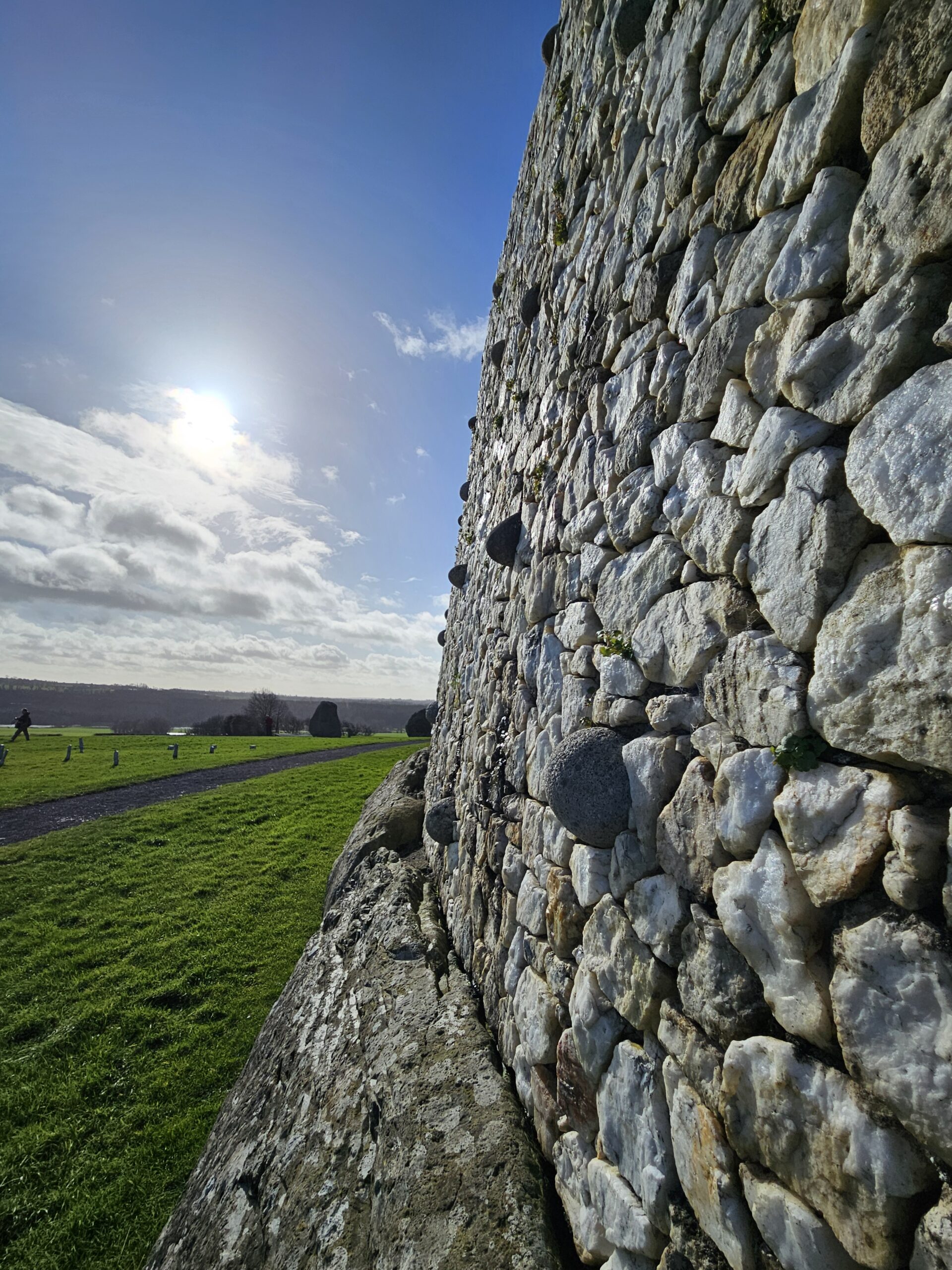
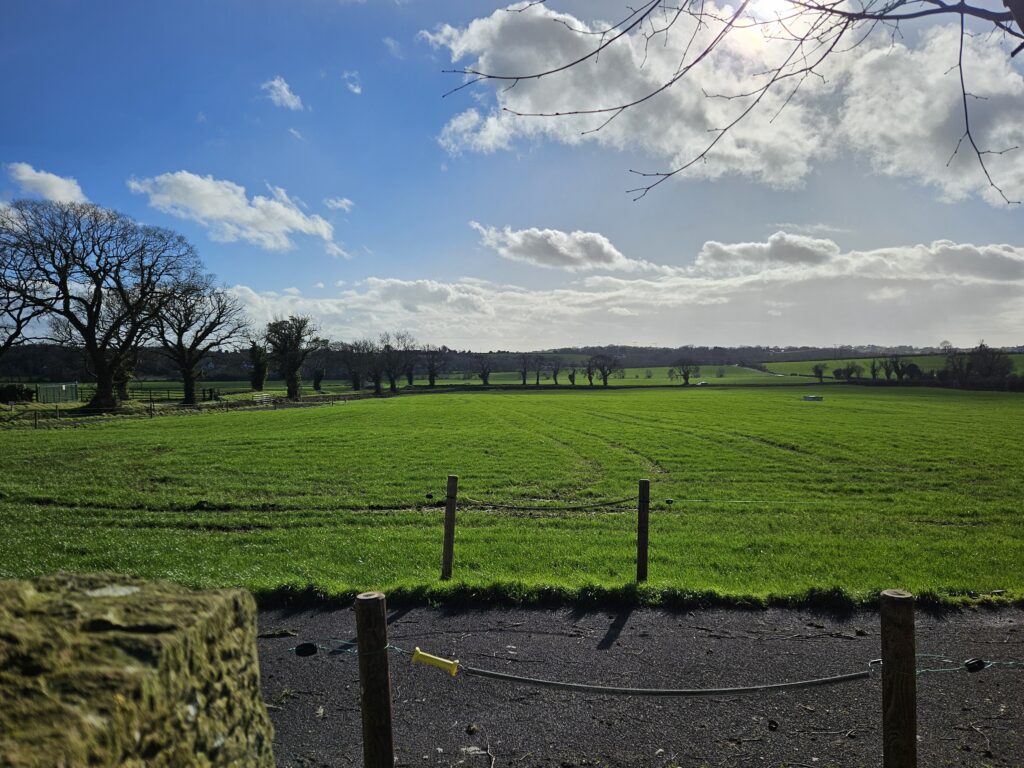
I decided to go on a day trip out of Dublin to visit Newgrange. Newgrange is a Stone Age structure built over 5,000 years ago, which makes it older than the pyramids of Egypt, and older than Stonehenge. Archaeologists are still unravelling its mystery, and while its obvious use is as a passage tomb, it could also be classified as a temple. The charming landscape, and the opportunity to wander around in it, was delightfully welcome.
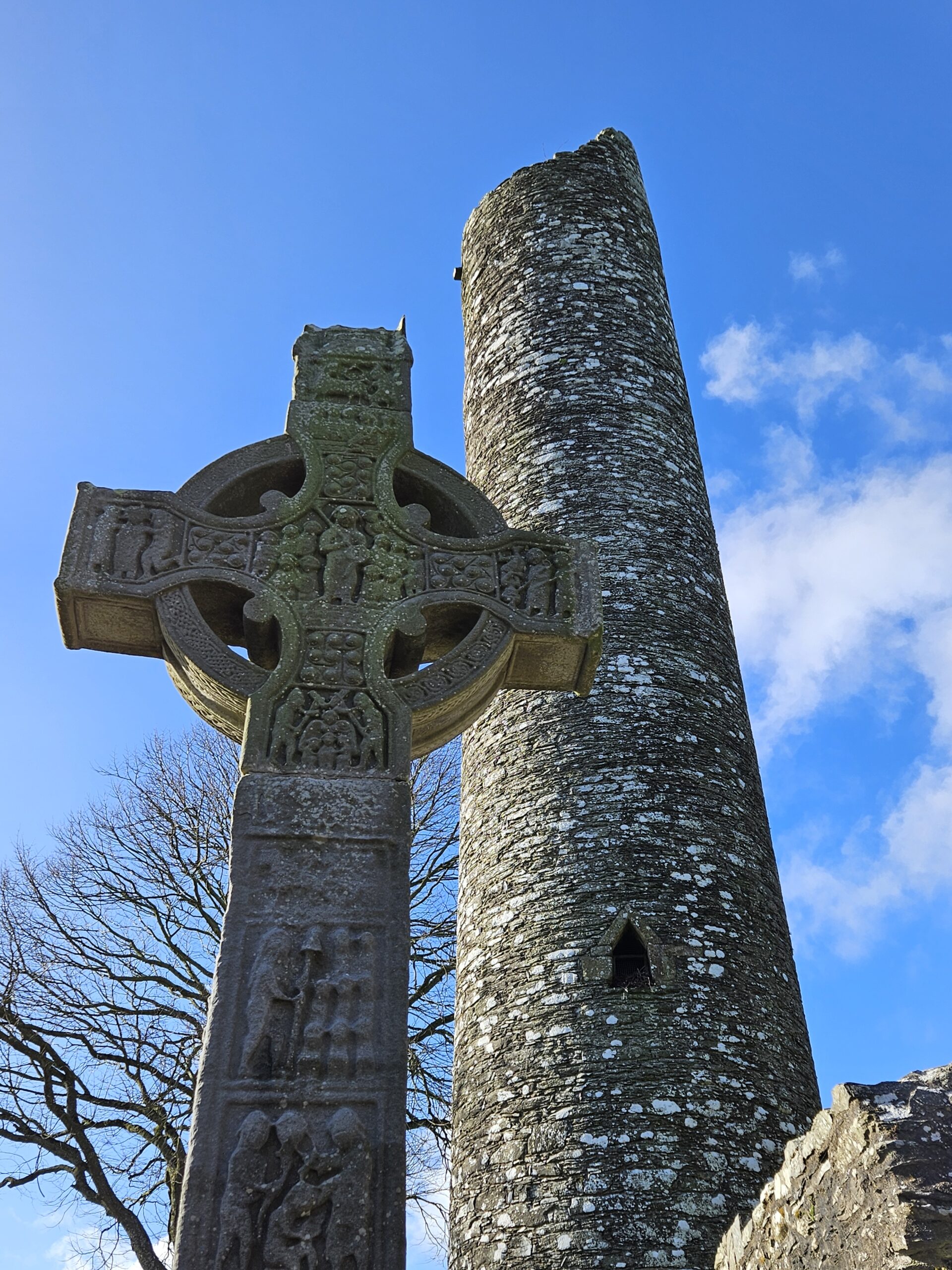
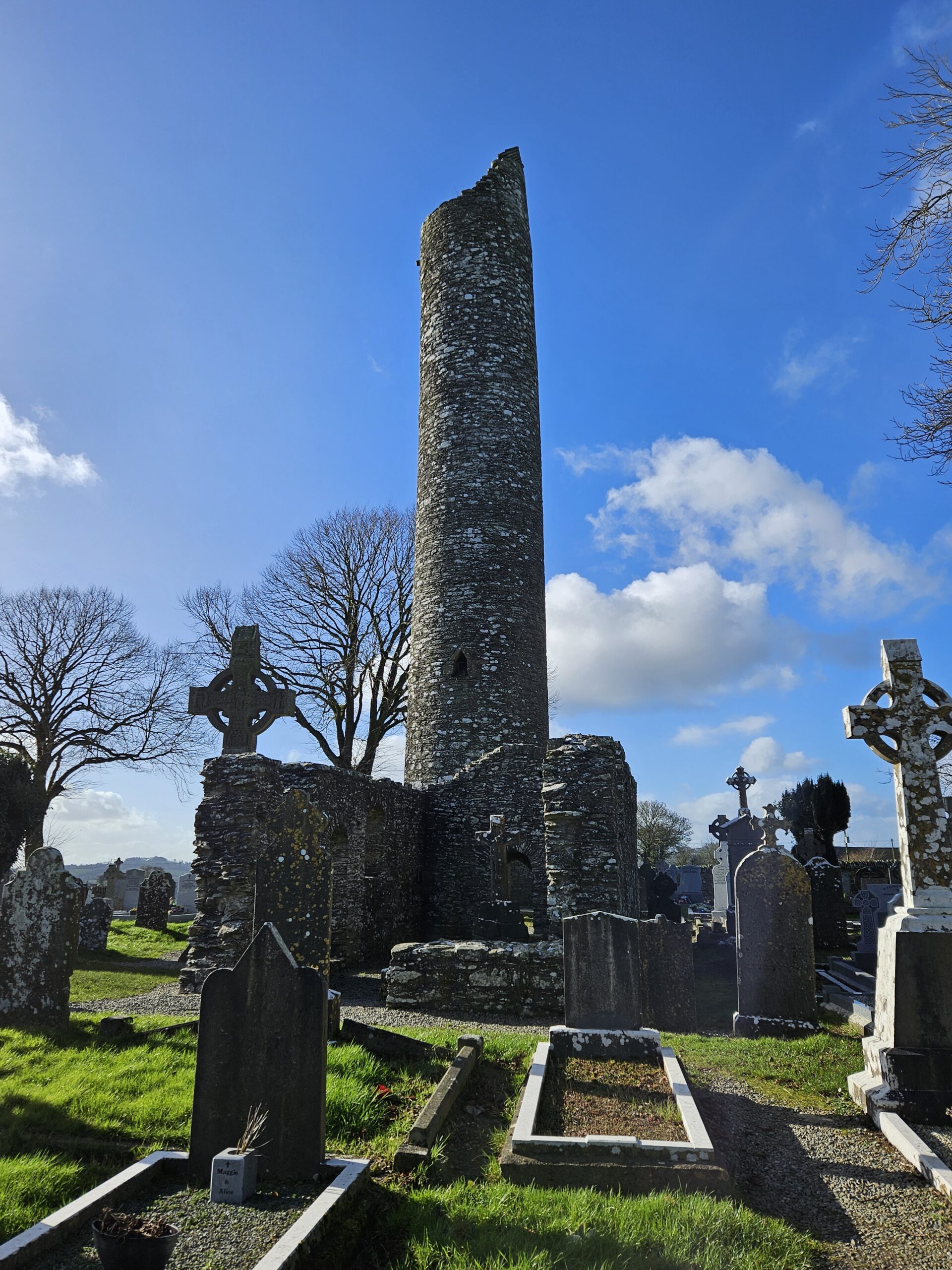
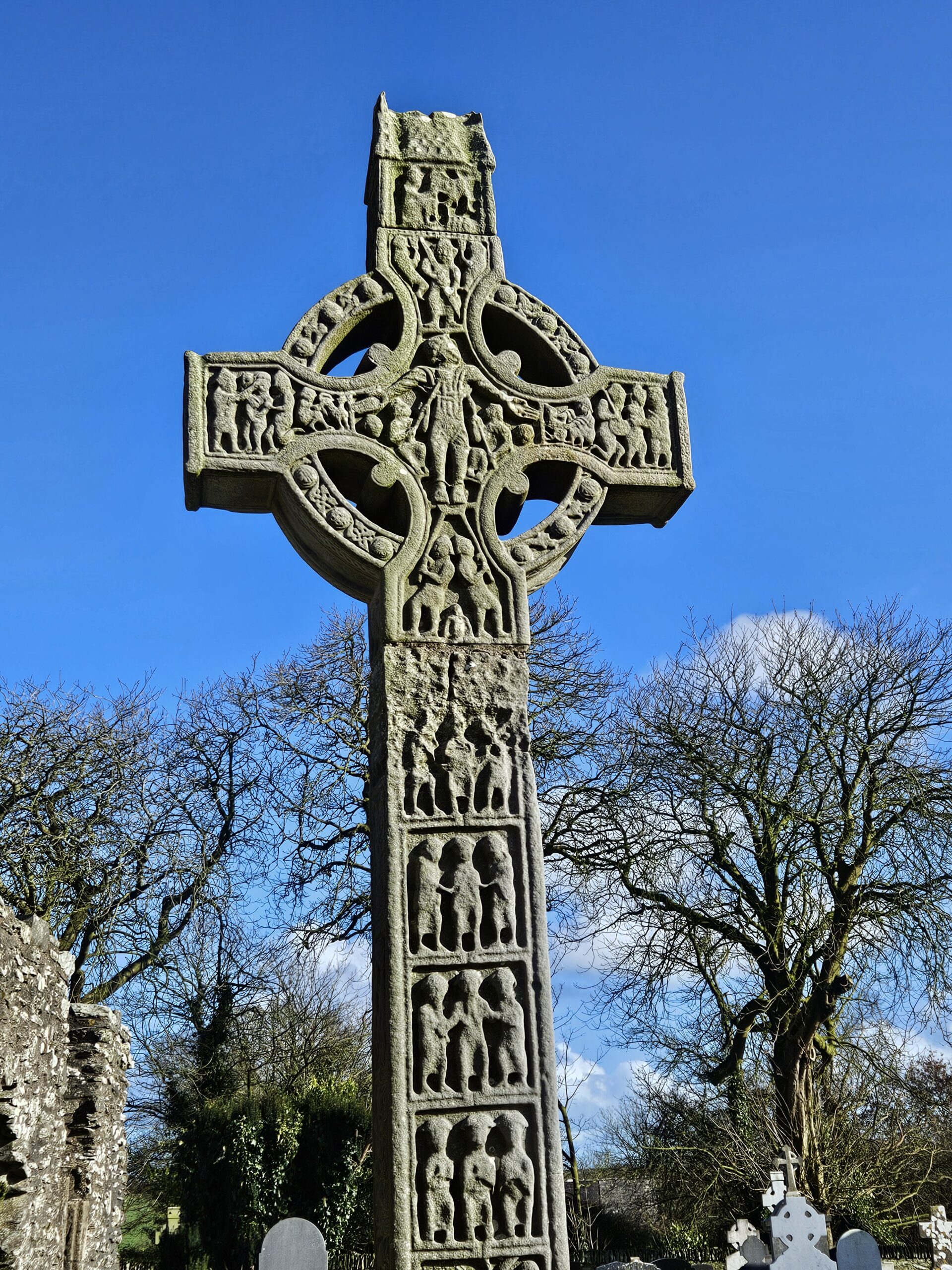
Part of the tour was a visit to the ruined Monasterboice Abbey. The starkly austere remains of the buildings were surrounded by ornately carved headstones in the graveyard. However, for me, the poignant moment was when it was pointed out that the adjacent lush green field was where hundreds of people were buried during the potato famine of 1845 to 1849. The story of the “Great Hunger” and the fact that Ireland’s dire circumstances were ignored by its leaders overseas, who could easily have mounted an aid campaign, is shocking. The fact that food was being exported from Ireland at the time, which could easily have been diverted to feeding the starving population, is unthinkable. While this solution had mitigated the impact of a similar famine in 1782-1784, the British government refused to do the same 60 odd years later, contributing to an estimated million deaths in Ireland during the famine years. Together with the mass emigration in the years which followed, predominantly to the US, the population of Ireland dropped by about 3 million, and has never recovered, not even today.
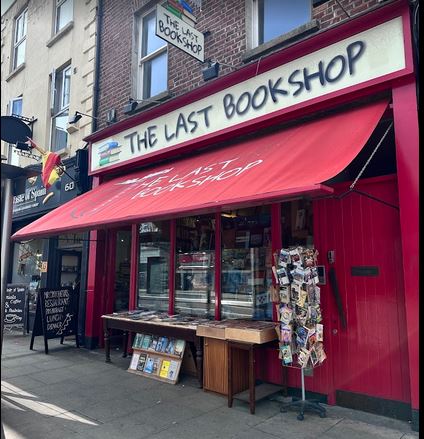
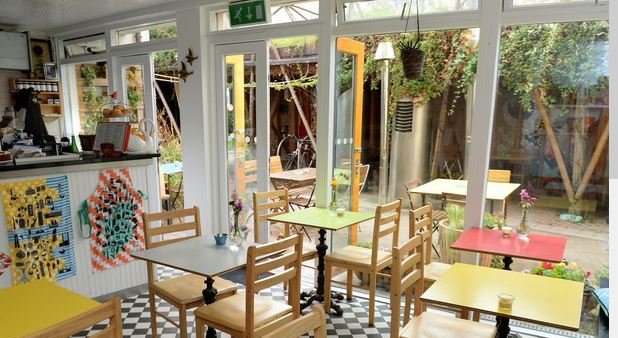
I loved my stay in Dublin. In between visiting the various tourist sites, I also enjoyed just wandering around this city. One of my favourite memories will be my visit to “The Last Bookshop” and “The Cake Café”, which are located one behind the other, and conveniently for me, make it easy to indulge two of my favourite things!