
Iditarod – the Trail or the Race…which came first?
Definitely the Trail came first. Way ahead of the Race.
In fact, the history of the Iditarod Dog Sled Race needs to start with the history of the Iditarod Trail on which the race is run.
Trails in the region go back thousands of years, long before Europeans settled in Alaska, when native Alaskans travelled along the trails to trade and transport goods.
Much later, the Russians developed parts of the trail as supply routes between fur trading posts. The posts were taken over by the Americans, and the trails continued to be used.
And then came the Alaska Gold Rush era…
Gold was first discovered in Alaska in 1896 in Klondike. Then it was discovered in Iditarod in 1908.
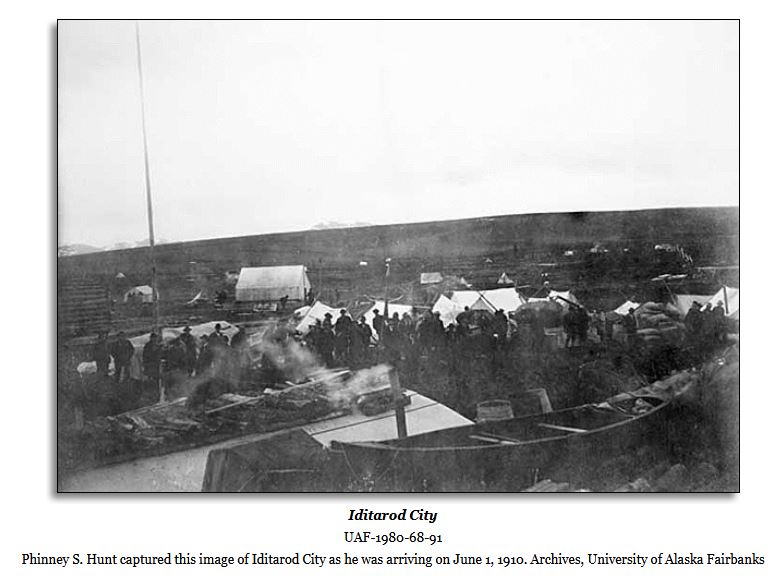
Naturally, these gold discoveries led to a dramatic increase in the non-native population of Alaska from 430 in 1880 to over 36,000 in 1910. And the use of sled dog teams helped cope with the growing transport demands during this time. In fact, many of these original trails were built by mining camp residents. It wasn’t until 1905, when the US government established the Alaska Road Commission to manage construction and maintenance of roads and trails in Alaska to support the growing mining and military activities in the area.
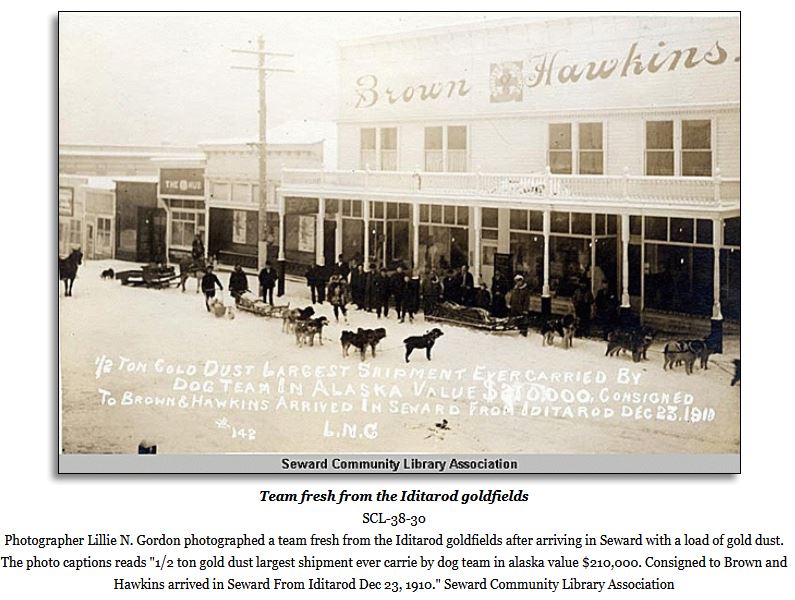
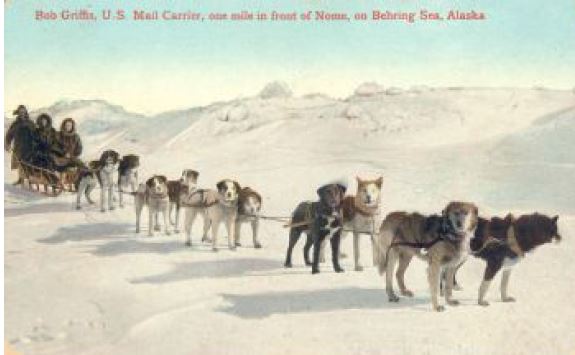
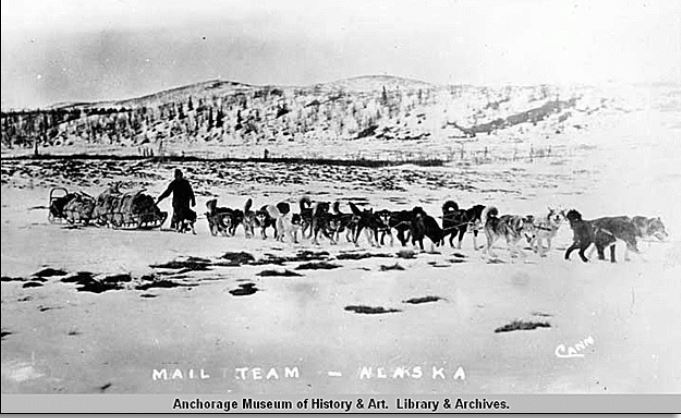
Importantly, in addition to supporting the miners and mining activities, dog sled teams were also used to delivery mail to the interior of Alaska.
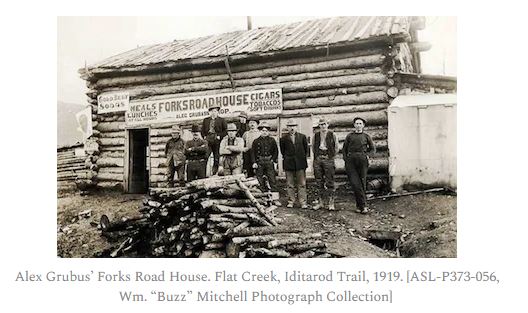
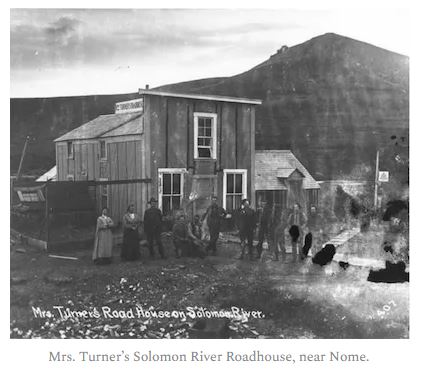
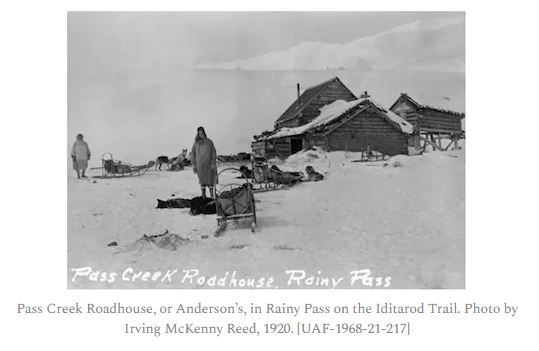
The establishment of roadhouses followed quickly on the development of the roads and trails as entrepreneurs saw opportunities to cash in on the travellers by providing food, supplies and accommodation.
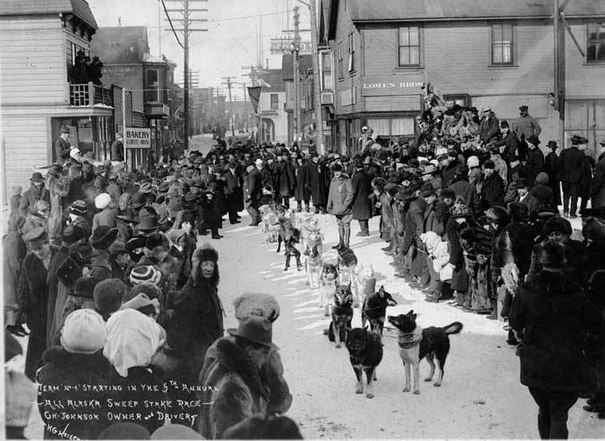
In 1908 the first official dog sled race took place. It was called the All Alaska Sweepstakes and went for 400 miles, from Nome to Candle and back. It was won by Leonhard Seppala, who had come to the Nome goldfields from Norway, and who is most famously known for his participation in the Great Serum Run on 1925.
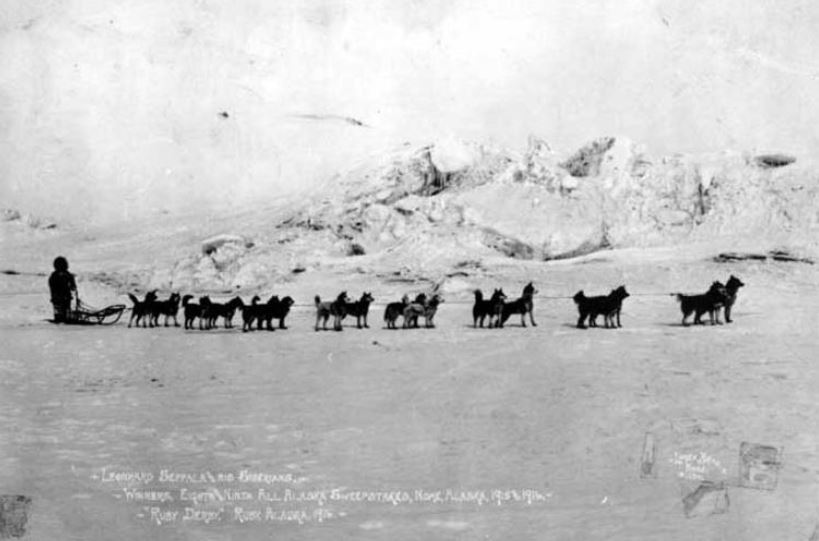
So, by early 1911 a well-defined usable trail was finally established.
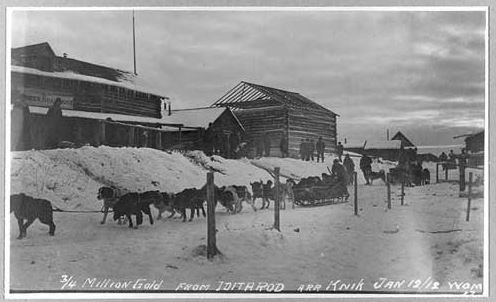
Various factors contributed to the decline in the use of the trails. It started when the onset of the First World War depopulated the countryside. Then, as the construction of the railway proceeded, and the use of planes for delivery of mail expanded, the use of the dog sled trails declined.
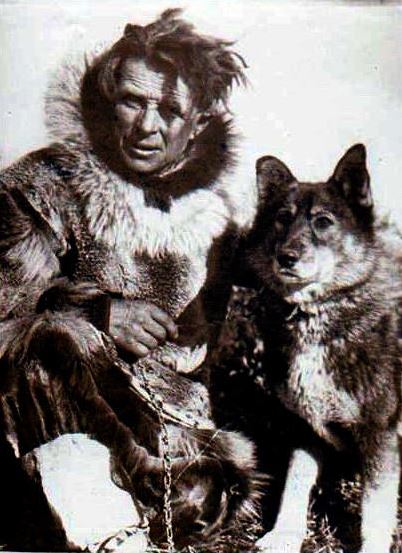
But in 1925 there was an outbreak of diphtheria in Nome. There were no aircraft available due to the conditions. And so the serum supply was transported by rail as far as Nenana, then by dogsled for the remaining 674 miles. The relay of mushers included Leonhard Seppala, who travelled the final and longest stretch of the journey.
After this brief focus on the Iditarod trail, the following decades saw the introduction of snow mobiles and the use of dog sledding further declined.
Most of the Iditarod trail was abandoned.
Then Dorothy Page entered the scene.
Page was a keen supporter of dog sledding, and came up with the idea of holding a dog sled race to commemorate the centennial of the US purchase of Alaska from the Russians. Page’s enthusiasm and determination led her to become known as the “Mother of the Iditarod”.
In the initial stages, however, the idea was difficult to get off the ground. Joe Redington helped with this. Redington had been working for the US Army carrying out search and rescue missions in the Alaskan interior, and was passionate about preserving the Iditarod trail, as well the dog-sled culture. Redington had been lobbying to get the Trail declared a national historic trail.
The result was that a short race was included in the 1967 celebrations; it ran along 25 miles of the Iditarod trail, between Wasilla and Knik.
However, the concept of a regular short race didn’t get any traction. It wasn’t until Redington started working on the idea of a long distance dog sled race that interest swelled. The race would be much more ambitious, and would involve the villages in the interior of Alaska, with mushers travelling along the majority of the Iditarod Trail.
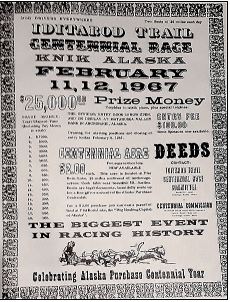
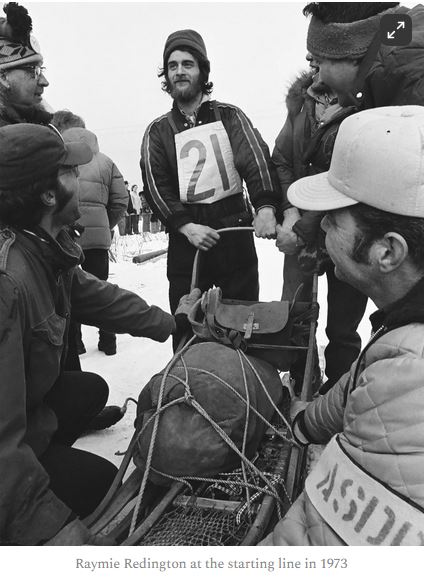
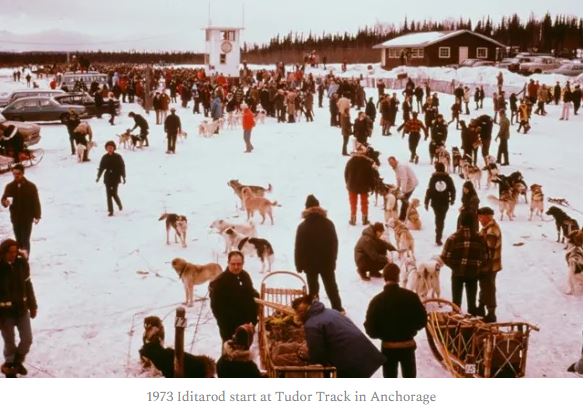
The first Iditarod Dog Sled Race was held in 1973. Redington had intended to complete but he couldn’t raise the funds; he had already mortgaged his house to make up the balance of the fundraising to reach the promised $50,000 prize pool.
That year 22 teams finished, out of 34 starters. It took 20 days for the winner to complete the race. (The last person to finish took 32 days!)
Leonhard Seppala was supposed to be the race’s honorary marshal, but he died just before the race. In 1973, and for each race until 1980, Bib #1 was reserved in Seppala’s honour. Since then, Bib #1 continues to be reserved in honour of a person (musher or non-musher) who has made a significant contribution to dog sled racing. (I wonder who will be awarded that honour in 2026?)
To come full circle, in 1978 Congress made the Iditarod Trail part of the National Historic Trail system.
As the largest user of the Iditarod Trail, the Iditarod Dog Sled Race brings a huge amount of recognition to the historic trail, as well as to the long standing practice of dog sledding.
Next I’m planning to read up about the sled dogs themselves…
…that is, unless I get side-tracked onto a different topic!?
Sources:
-
Iditarod National Historic Trail : Historic Overview. Bureau of Land Management.
-
The Iditarod Historic Trail Alliance video here
-
Iditarod Historic Trail Alliance website contains a very detailed history of the Iditarod Trail.
-
Iditarod from Outside website; A Brief History of the Iditarod.
-
Information about each of the races held from 1973 to date can be found on the archives page of the Iditarod website here.
-
Northern Light Media website for information and images of roadhouses along the trail.
-
Northern Light Media website for image of the All Alaska Sweepstakes Dog Sled Race
-
Alaska Railroad website.
-
LitSite Alaska website. A web community project of the University of Alaska Anchorage and the Alaska Literary Consortium.
-
Alaska Digital Newspaper Program website.
-
History of Sled Dogs. Helen Hegener. website